Last Updated: April 2026 | Reviewed by: Korea Medical Tourism Editorial Team
Based on consultations with multiple clinics across Gangnam and Apgujeong, Thermage FLX remains one of the most requested non-surgical skin tightening treatments among international visitors to Seoul — and for compelling reasons. South Korea consistently ranks among the world’s top destinations for medical tourism, with the Korean Health Industry Development Institute reporting that over 600,000 foreign patients sought aesthetic treatments in the country in a single recent year, a figure that continues to climb as word spreads about Apgujeong’s exceptional standard of care.
Thermage Apgujeong has earned a particularly strong reputation due to the concentration of board-certified dermatologists and aesthetic specialists operating in this upscale neighborhood, which sits at the heart of Seoul’s “beauty belt.” Unlike generic clinics found in tourist areas, Apgujeong practices invest heavily in the latest Thermage FLX device generation, rigorous patient screening protocols, and multilingual staff trained to support patients flying in from North America, Europe, Australia, and across Asia. This combination of medical credibility and patient-centered service makes the area a natural choice for anyone serious about achieving safe, visible results.
Clinical Perspective: A board-certified dermatologist practicing in Gangnam notes: “International patients often arrive having done extensive research online, but they’re sometimes surprised by how individualized our Thermage treatment planning is. In Apgujeong, we routinely customize tip selection, energy settings, and pulse counts based on the patient’s skin laxity grade and facial anatomy — this is not a one-size-fits-all protocol, and that precision is precisely what drives the outcomes patients fly here to achieve.”
What Is Thermage FLX and Why Apgujeong?
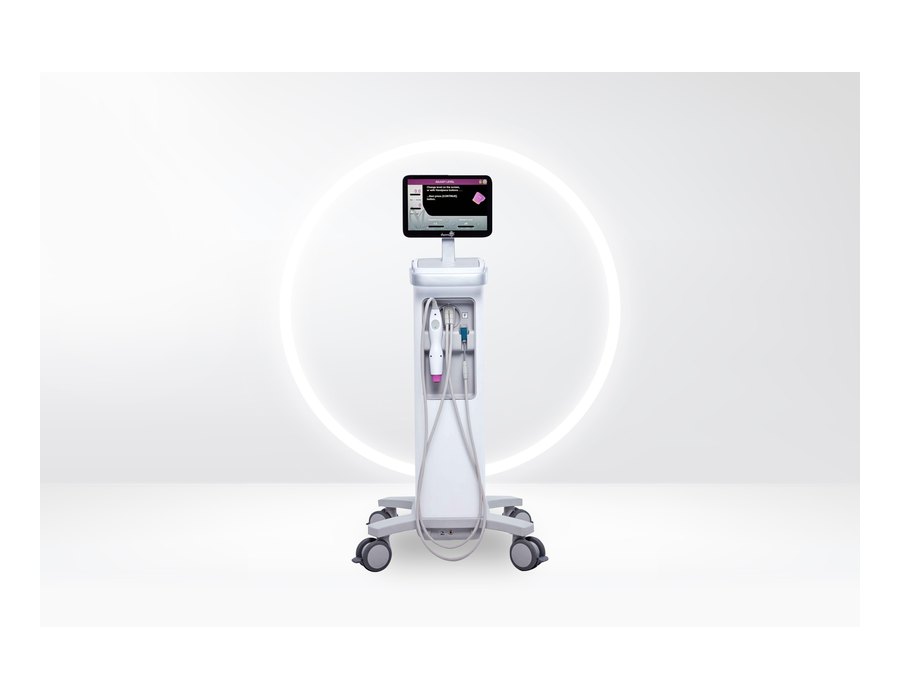
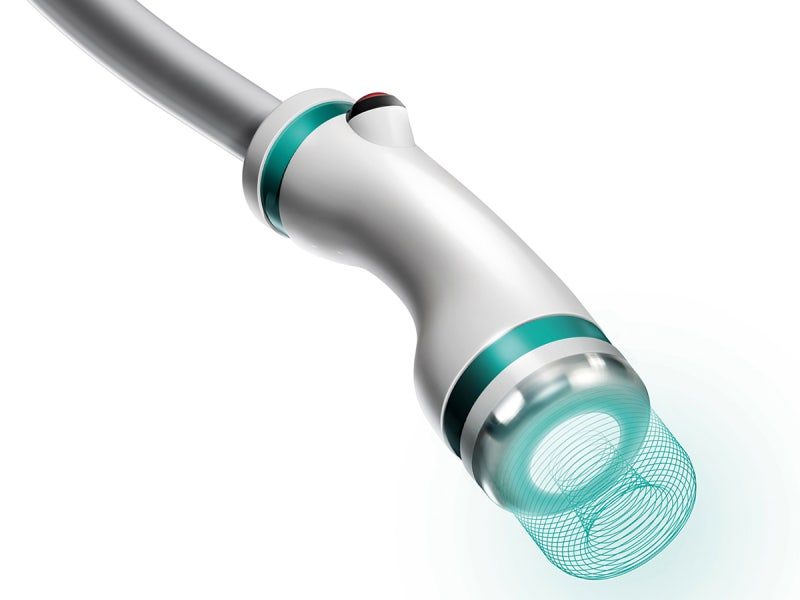
Thermage FLX is a monopolar radiofrequency device cleared for non-invasive skin tightening, contouring, and smoothing. It works by delivering controlled thermal energy deep into the dermis and subcutaneous tissue, stimulating collagen remodeling and new collagen production over a treatment period that spans three to six months post-procedure. The FLX generation features AccuREP™ technology, which automatically calibrates each pulse for more consistent and comfortable energy delivery compared to earlier Thermage CPT devices.
Why Apgujeong Stands Out
The Apgujeong neighborhood, often compared to Beverly Hills or Ginza in terms of aesthetic medicine density, hosts dozens of clinics operating at a highly competitive medical standard. Clinics here are typically staffed by dermatologists who have trained internationally and who stay current with global aesthetic literature. The American Academy of Dermatology recognizes radiofrequency as a well-established non-invasive modality for skin laxity, and Apgujeong clinicians apply that same evidence base with Korean-market expertise layered on top. Patients benefit from a unique blend of rigorous medical training, cutting-edge technology, and a cultural commitment to refined aesthetic outcomes.
The Thermage FLX Device Advantage
Clinics in Apgujeong exclusively use the current-generation Thermage FLX system rather than older CPT models. The FLX platform reduces treatment time by approximately 25% compared to its predecessor while delivering more uniform heating. The vibration tip technology also significantly improves comfort during the session, which is especially important for full-face and eye-area treatments — two zones that are highly popular among international patients targeting early-to-mid-stage skin laxity.
Thermage Apgujeong: Cost Breakdown for 2026
Understanding what you will pay is essential for trip planning, and pricing for Thermage in Apgujeong reflects both the quality of the facility and the scope of treatment. According to our research across multiple clinics, prices are structured by treatment area and pulse count rather than as a flat package fee.
Full Face Thermage
A full-face Thermage FLX treatment in Apgujeong typically ranges from ₩700,000 to ₩1,500,000 (approximately USD $510 to $1,090). The variation depends on the clinic’s tier, the dermatologist’s seniority, and whether additional areas such as the neck or eye zone are bundled. Mid-range reputable clinics in Apgujeong tend to price full-face treatments around ₩900,000 to ₩1,200,000 (roughly USD $650 to $870).
Eye Area and Neck Add-Ons
The periorbital (eye) area is one of Thermage’s strongest applications, using a specialized 0.25 cm² tip cleared for treatment around the orbital rim. Eye-area Thermage in Apgujeong is typically priced between ₩300,000 and ₩600,000 (approximately USD $220 to $435). Neck treatments are often quoted separately at ₩400,000 to ₩700,000 (USD $290 to $510), though many clinics offer bundled discounts when combined with full-face sessions.
Body Thermage
Body applications targeting the abdomen, thighs, or arms are available at select Apgujeong clinics and are priced by zone, typically starting from ₩800,000 per area (approximately USD $580) and rising to ₩2,000,000 or more for larger combined zones. These sessions use a larger 3.0 cm² body tip and require longer treatment times.
Procedure Timeline, Experience, and Recovery
For international patients planning a Seoul itinerary around a Thermage Apgujeong appointment, understanding the logistics is just as important as understanding the treatment itself. Research published through PubMed supports radiofrequency’s efficacy for periorbital and facial skin tightening, and Apgujeong clinics translate that evidence into a well-structured patient journey.
On the Day of Treatment
A full-face Thermage FLX session typically lasts between 45 and 90 minutes depending on the treatment area and pulse count selected. The session begins with a thorough consultation during which the dermatologist assesses skin laxity, photographs baseline skin condition, and confirms suitability. A topical numbing cream is applied in most clinics approximately 30 to 45 minutes before the procedure begins to enhance comfort, particularly around the eye area.
Immediate Post-Treatment and Downtime
One of Thermage’s key advantages for traveling patients is its minimal downtime. Most patients experience mild redness and slight swelling for 24 to 48 hours post-treatment, which resolves without intervention. There is no requirement to avoid sun exposure beyond standard SPF precautions, and most international patients comfortably resume sightseeing the following day. Flying home within 24 to 48 hours of treatment is generally considered safe, though clinics recommend a brief in-person check the morning after if schedules permit.
When to Expect Results
Initial tightening effects may be noticeable within the first few weeks as heat-induced collagen contraction occurs, but the full benefit of Thermage FLX emerges gradually over three to six months as new collagen is synthesized. Patients should plan for their primary results to become visible after they have returned home, with many international patients scheduling follow-up photo consultations remotely with their Apgujeong clinic via video call.
What to Know Before You Book
Making the most of your Thermage Apgujeong experience requires preparation beyond simply selecting a clinic. Based on our research across multiple Gangnam clinics, the following practical points consistently came up as important for international patients.
- Verify device authenticity: Clinics we contacted confirmed that reputable Apgujeong practices provide documentation upon request showing their Thermage FLX device serial number and Solta Medical certification, which protects patients from counterfeit or grey-market equipment sometimes found at lower-cost venues.
- Book consultations in advance: Senior dermatologists at top-tier Apgujeong clinics are heavily booked, particularly on weekends. Clinics we contacted recommended reserving consultation and treatment slots at least two to three weeks ahead of your arrival in Seoul.
- Ask about pulse count transparency: Based on our research, the most trustworthy clinics in Apgujeong openly discuss planned pulse counts and document them in the treatment record, allowing meaningful comparison of value across providers.
- Prepare your medical history in English and Korean: Many Apgujeong clinics have English-speaking staff, but providing a brief medical history summary — including medications, previous procedures, and any metal implants — in both languages speeds up the consultation process significantly.
- Understand the refund and cancellation policy: Clinics we contacted confirmed that policies vary widely. Look for clinics offering full refunds for cancellations made more than 48 hours in advance and be cautious of any practice requiring full prepayment with no cancellation option.
Frequently Asked Questions
Is Thermage in Apgujeong safe for all skin types?
Thermage FLX is considered safe for all Fitzpatrick skin types, including the darker skin tones more common among Asian patients, because radiofrequency energy is not chromophore-dependent and does not target melanin. Apgujeong clinics routinely treat patients across the full skin tone spectrum. However, patients with certain metal implants, pacemakers, or active skin infections in the treatment zone are not suitable candidates, and a thorough consultation will screen for these contraindications.
How many Thermage sessions will I need?
The standard protocol for Thermage FLX is a single session per treatment area, with results lasting one to two years. Unlike laser or HIFU series treatments, repeat sessions are not typically required more frequently than once per year. Some patients with significant laxity or those seeking maintenance of earlier results return annually, and many international patients schedule this as part of a regular Seoul medical trip.
How does Thermage Apgujeong compare to HIFU treatments?
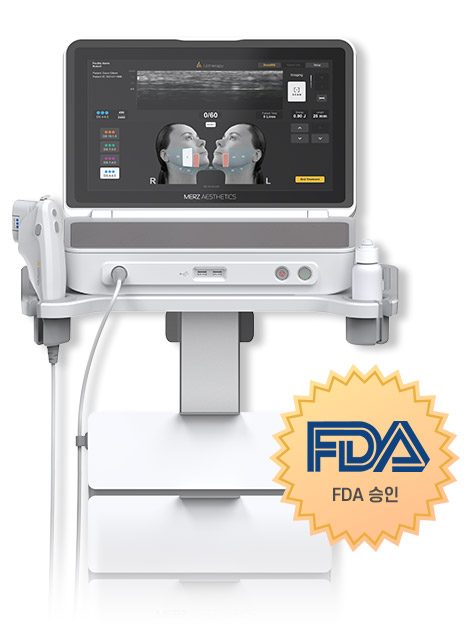
Both Thermage FLX and HIFU (such as Ultherapy or Doublo) target collagen remodeling through different energy modalities. Thermage uses monopolar radiofrequency to heat the dermis and superficial fat, producing a skin-tightening and contouring effect that many patients describe as softer and more natural-looking. HIFU delivers focused ultrasound to deeper SMAS layers and can produce more pronounced lifting but is associated with greater discomfort during treatment. Many Apgujeong clinics offer both and can guide patients toward the more appropriate option during consultation.
Do Apgujeong clinics offer translation or interpreter services?
The majority of established clinics in Apgujeong catering to international patients employ English-speaking coordinators, and many also have staff proficient in Mandarin, Japanese, or other languages. It is always advisable to confirm language support when booking and to communicate your primary language in advance so the clinic can assign the appropriate coordinator to your case.
Can I combine Thermage with other treatments during the same Seoul visit?
Yes, many international patients in Apgujeong combine Thermage FLX with complementary treatments such as Botox, filler, or PRP during the same visit, though sequencing matters. Most clinics recommend performing Thermage first if combining with injectables, and spacing neuromodulator or filler treatments by at least two weeks from Thermage when possible. Your consulting dermatologist will outline the safest and most effective combination schedule during your initial appointment.
Related Articles
If you found this guide helpful, you may also want to explore these related resources for planning your Seoul aesthetic treatment journey:
- Thermage Cheongdam: A Guide for International Patients
- Thermage FLX Seoul Cost Guide: Full Price Breakdown
- Thermage FLX Seoul vs HIFU: Which Is Right for You?
- How to Choose the Best Thermage FLX Clinic in Seoul
- Thermage FLX Seoul for Foreign Patients: What to Expect