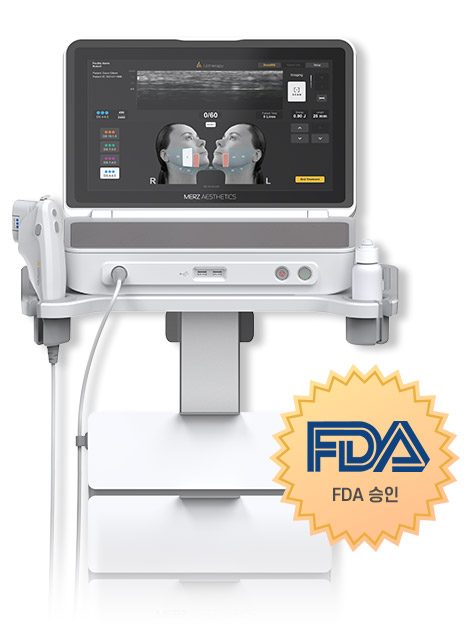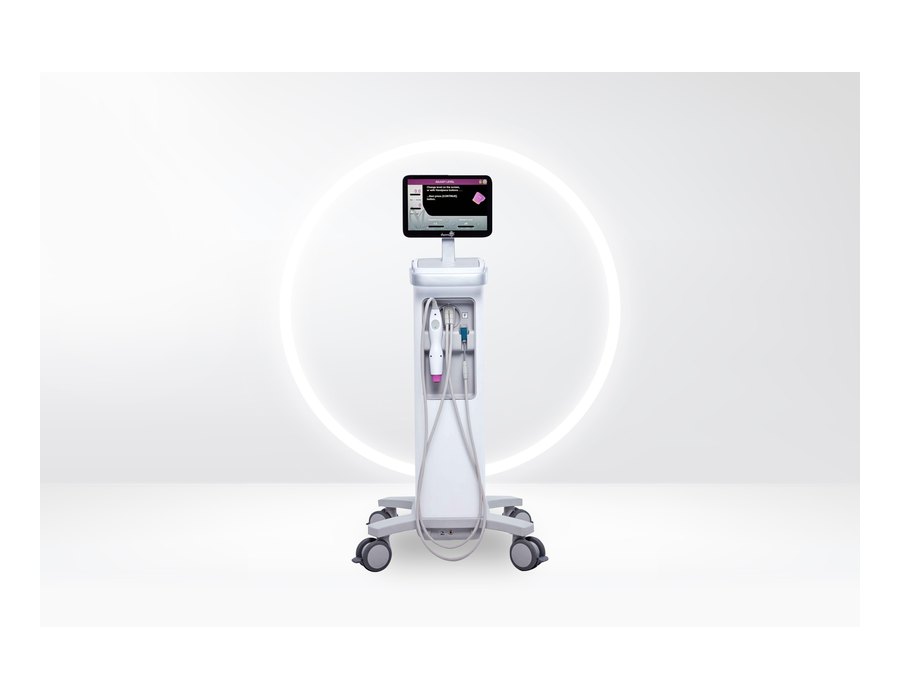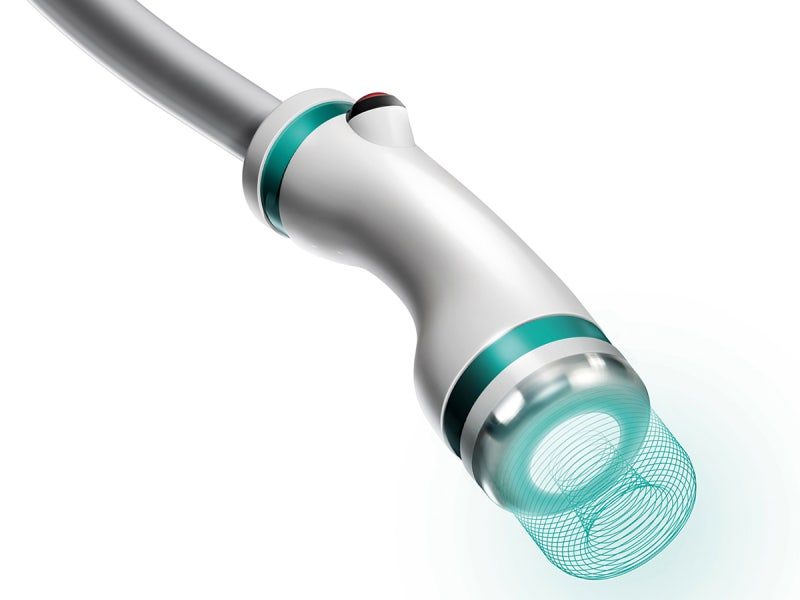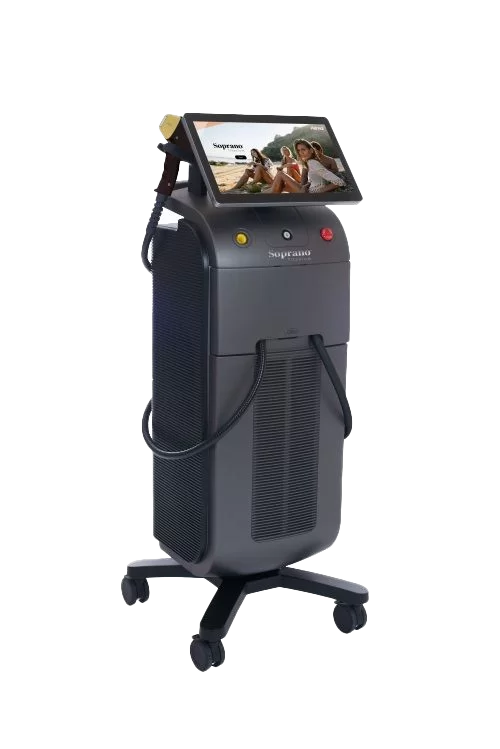
Thermage FLX represents the latest evolution in non-invasive skin tightening technology, utilizing monopolar radiofrequency to stimulate collagen production and deliver facial contouring results without surgery. For international patients, Seoul has emerged as a premier destination for this treatment, offering advanced expertise at competitive pricing compared to Western markets. Korean dermatologists and plastic surgeons pioneered many aesthetic innovations and maintain rigorous standards enforced by the Ministry of Health and Welfare (MOHW), making the city an optimal choice for Thermage FLX procedures. Related: /p>dermatology in seoul.
Booking Thermage FLX in Seoul requires understanding the treatment’s mechanisms, selecting qualified providers, navigating pricing structures, and planning logistical details for medical travel. This comprehensive guide addresses the essential considerations for international patients seeking this FDA-approved treatment in Korea’s cosmetic medicine capital, where over 200 clinics offer advanced radiofrequency treatments with English-speaking staff and international patient coordination services. For more on this topic, see /p>skin clinic seoul.
Understanding Thermage FLX Technology and Clinical Evidence
Thermage FLX delivers volumetric heating to dermal and subdermal layers using monopolar radiofrequency energy at 6.78 MHz frequency. The technology works by heating collagen fibers to 65-75°C, triggering immediate contraction while initiating neocollagenesis that continues for 3-6 months post-treatment. Unlike earlier Thermage iterations, the FLX platform features AccuREP Technology that measures skin resistance in real-time, automatically adjusting energy delivery for consistent heating across treatment areas. For more on this topic, see /p>
Clinical studies published in peer-reviewed dermatology journals demonstrate measurable efficacy. A 2019 study in the Journal of Cosmetic Dermatology reported an average 25% improvement in skin laxity measurements at 3-month follow-up among 87 patients treated with Thermage FLX. Research published in Lasers in Surgery and Medicine documented collagen density increases of 35% at 6-month histological analysis following monopolar radiofrequency treatment, providing objective evidence for the mechanism underlying clinical improvements. Discover /p>
The FLX platform introduced several enhancements over previous CPT models: the Total Tip 4.0 covers 33% more area per pass, reducing treatment time by approximately 25%; upgraded vibration mechanisms during energy delivery improve comfort; and algorithmic improvements enable higher energy settings while maintaining safety parameters. These refinements translate to more efficient treatments with enhanced patient comfort, particularly relevant for international patients with limited time in Seoul.
Treatment applications extend beyond facial tightening to include neck contouring, jawline definition, periorbital rejuvenation, and body areas including abdomen and arms. Korean practitioners have developed specialized protocols for Asian skin characteristics, addressing concerns like pigmentation sensitivity and optimizing parameters for Fitzpatrick skin types III-V that comprise the majority of their patient base. This expertise proves valuable for diverse international patients seeking treatments calibrated to their specific skin characteristics.
The Korean Association of Medical Aesthetics (KAMS) requires practitioners offering Thermage FLX to complete manufacturer certification and maintain specific continuing education credits. Board-certified dermatologists and plastic surgeons constitute the primary provider categories, with many Seoul clinics housing both specialties under one roof for comprehensive aesthetic consultations. Read about main resource.
Selecting Qualified Clinics and Practitioners in Seoul
Seoul’s Gangnam and Apgujeong districts concentrate the majority of internationally-oriented aesthetic clinics, with over 500 facilities within a 3-kilometer radius. Qualification verification begins with confirming the practitioner’s credentials: board certification through the Korean Dermatological Association or Korean Society of Plastic and Reconstructive Surgeons represents the baseline standard. The MOHW maintains a public database of licensed physicians, though navigating it requires Korean language proficiency—reputable clinics readily provide verification documentation in English upon request. Many also explore /p>
Thermage certification requires practitioners to complete official training through Solta Medical, the device manufacturer. Clinics should display certification credentials and specify the number of procedures performed annually. High-volume providers (200+ procedures yearly) demonstrate technical proficiency that correlates with outcome consistency. Seoul’s competitive market means many clinics track outcomes photographically and can present before-after portfolios specific to your ethnicity and concern areas.
International patient departments have become standard at top-tier Seoul aesthetic clinics. These departments provide English-speaking coordinators who manage consultation scheduling, translate medical communications, coordinate with hotels, and arrange airport transfers. The presence of dedicated international services indicates a clinic’s commitment to medical tourism and suggests established protocols for managing non-Korean patients’ unique needs. Read about learn about gangnam dermatology.
Online verification tools include checking clinic listings on the Korean Medical Tourism Association website, reviewing physician profiles on RealSelf International, and examining clinic accreditation through JCI (Joint Commission International) or equivalent healthcare quality organizations. While JCI accreditation remains more common among large hospitals than specialty clinics, it provides additional assurance of systematic quality controls.
Red flags warranting caution include: prices significantly below market averages (suggesting counterfeit devices or undertrained practitioners), inability to provide physician credentials in writing, reluctance to schedule video consultations before booking, and pressure tactics emphasizing limited-time discounts. Reputable Seoul clinics maintain transparent pricing, encourage thorough consultation processes, and never rush treatment decisions.
Patient reviews require careful interpretation. Korean platforms like Gangnam Unnie provide authentic patient experiences but require translation. English-language review sites may feature filtered or incentivized content. Video testimonials from international patients offer more reliable insights, particularly when they address specific concerns like communication quality, treatment comfort, and follow-up accessibility.
Consultation Process and Treatment Planning
Initial consultations increasingly occur via video conference, allowing international patients to assess communication quality and receive preliminary treatment recommendations before traveling. Effective consultations include facial analysis using standardized photography, discussion of realistic outcomes based on your age and skin condition, explanation of the treatment protocol including tip selections and estimated pass numbers, and timeline planning that accounts for immediate post-treatment appearance and progressive results. Read about gangnam skin clinic.
In-person consultations on arrival in Seoul typically involve VISIA skin analysis or equivalent diagnostic imaging that documents baseline skin quality, laxity measurements, and identifies specific concern areas. This documentation establishes objective metrics for evaluating outcomes and helps practitioners customize energy settings and treatment patterns. Expect consultations to last 30-45 minutes with board-certified physicians, longer than typical Western consultations due to Korean medical culture’s emphasis on detailed patient education.
Treatment planning considers timing relative to your schedule. While Thermage FLX requires no downtime, immediate post-treatment effects include facial redness lasting 2-4 hours and potential mild swelling for 24-48 hours. Scheduling treatments 2-3 days before departure allows resolution of any immediate effects while still in Seoul for follow-up if needed. Some patients prefer treating early in their visit to maximize consultation access.
Pricing Structure and Value Comparison
Thermage FLX pricing in Seoul ranges from $1,200 to $3,500 depending on treatment area and shot count, representing 40-60% savings compared to US pricing ($3,000-$5,500) and UK costs (£2,500-£4,500). This differential reflects Korea’s competitive aesthetic market and higher treatment volumes rather than quality differences—Seoul clinics often utilize more recent equipment generations than Western counterparts due to faster technology adoption cycles.
Pricing variables include the number of shots administered (typical facial treatments use 600-1200 shots), treatment areas covered (face only versus face-and-neck combinations), practitioner experience level (senior physicians command premium fees), and clinic location (Gangnam district averages 15-20% higher than other Seoul areas). Comprehensive full-face treatments with experienced practitioners typically cost $2,000-$2,500, while face-and-neck combinations range $2,800-$3,500.
Package pricing offers value for patients combining multiple treatments. Many Seoul clinics bundle Thermage FLX with complementary procedures like Ultherapy (ultrasound-based lifting), laser treatments, or injectables at discounted rates. These combinations can optimize results by addressing different tissue layers and aging mechanisms, though they extend treatment timelines and recovery considerations. Evaluate packages based on clinical appropriateness rather than discount percentages alone.
Payment structures in Seoul aesthetic clinics typically require deposits (20-30% of treatment cost) to secure appointments, with balances due before treatment. International payment options include credit cards (Visa and Mastercard universally accepted, sometimes with 2-3% processing fees), bank transfers, and increasingly, cryptocurrency at tech-forward clinics. Obtain itemized receipts in English detailing the procedure performed, practitioner credentials, and clinic information for insurance documentation or FSA/HSA reimbursement claims where applicable.
Hidden costs to budget include pre-treatment skin preparation products (optional but recommended, $50-$150), post-treatment skincare protocols ($100-$200), potential follow-up treatments if initial results warrant enhancement (15-20% of patients pursue secondary sessions), and travel expenses. Seoul’s medical tourism infrastructure means accommodation near major clinic districts costs $80-$200 nightly for quality hotels with English-speaking staff.
Cost-benefit analysis should factor treatment longevity. Thermage FLX results typically persist 12-24 months before gradual return toward baseline, with individual variation based on age, skin condition, and lifestyle factors. Calculated per-month cost of Seoul treatments ($100-$145 monthly over an 18-month average) compares favorably to Western markets ($165-$305 monthly equivalent) while offering access to practitioners with extensive experience treating diverse patient populations.
Insurance and Medical Tourism Considerations
Cosmetic Thermage procedures rarely qualify for insurance coverage in any jurisdiction, as they’re classified as elective aesthetic treatments. However, comprehensive documentation supports HSA/FSA claims in cases where treatment addresses functional concerns (severe skin laxity affecting vision, for example). Request detailed medical records, before-after photographs, and physician attestation statements to maximize claim approval probability.
Medical tourism insurance products specifically cover international aesthetic procedures, though they typically exclude the treatment itself while covering travel complications, extended stays due to medical necessity, and emergency care unrelated to the planned procedure. Policies cost $50-$200 for typical Seoul treatment trips and provide valuable protection against travel disruptions.
Booking Process and Logistical Planning
The booking timeline ideally begins 6-8 weeks before intended travel dates, allowing adequate time for clinic research, consultation scheduling, visa processing if required, and optimal flight booking windows. Most Seoul clinics accommodate shorter timelines (some accept bookings within 2 weeks), but rushed planning limits clinic options and reduces negotiation flexibility.
Initial contact methods vary by clinic preference. Email remains the most common channel, with response times averaging 24-48 hours for internationally-oriented clinics. WhatsApp and KakaoTalk messaging increasingly supplement email, offering faster communication for time-sensitive questions. Phone consultations prove less efficient due to time zone differences (Seoul operates on GMT+9) unless specifically scheduled. Clinic websites increasingly feature real-time chat functions with English-speaking staff during Korean business hours.
Required information for booking includes clear facial photographs (front view, both profiles, and three-quarter angles in natural lighting), medical history summary noting skin conditions, previous aesthetic treatments, and medications, specific concerns and desired outcomes, and preferred treatment dates with flexibility notation. Providing comprehensive information upfront accelerates consultation processes and enables accurate preliminary assessments. Read about kbeauty clinic seoul.
Deposit payment secures appointment slots, typically processed through international wire transfer or credit card payment links. Verify clinic banking details through official website contact (not email instructions alone) to avoid payment fraud. Reputable clinics provide official receipts immediately upon deposit processing and maintain clear cancellation policies—industry standard allows full refunds for cancellations 14+ days before appointments, partial refunds (50-70%) for 7-14 days notice, and forfeiture for shorter-notice cancellations.
Travel logistics coordination involves several elements. Visa requirements vary by nationality: US, UK, Canadian, Australian, and Singaporean passport holders receive 90-day visa-free entry to South Korea. Accommodation should prioritize proximity to your chosen clinic—Gangnam and Apgujeong districts offer numerous hotels within walking distance of major aesthetic centers. Seoul’s subway system provides efficient, affordable transportation, though taxi services remain inexpensive by Western standards ($8-$15 for typical clinic-to-hotel routes).
Treatment day scheduling allows 2-3 hours total clinic time, including pre-treatment preparation (30 minutes), treatment duration (45-90 minutes depending on areas covered), and post-treatment monitoring (30 minutes). Schedule no demanding activities for treatment day, though normal sightseeing proves feasible for most patients after initial redness subsides. Same-day follow-up appointments are unnecessary unless complications arise, but confirming emergency contact protocols provides peace of mind.
Post-treatment Seoul stays typically last 3-7 days, balancing medical accessibility with tourism opportunities. While Thermage FLX requires no formal follow-up, remaining in Seoul for 2-3 days post-treatment allows addressing any unexpected concerns and enables supplementary treatments if desired. Many patients combine procedures across their Seoul visit, spacing treatments appropriately—consult practitioners about optimal sequencing when planning multiple procedures.
Documentation and Legal Considerations
Informed consent documentation in Seoul clinics should be provided in English (or your native language) with adequate time for review—never sign Korean-only consent forms without certified translation. Consent forms detail treatment specifics, potential side effects (temporary redness, swelling, rare burns or contour irregularities), realistic outcome expectations, and financial terms. Request copies of all signed documents for personal records.
Medical records access is guaranteed under Korean law. Before departing Seoul, obtain comprehensive treatment records including procedure details, device settings used, shot counts and treatment patterns, post-care instructions, practitioner credentials, and follow-up protocols. These records prove essential for continuity of care with home practitioners and provide documentation should delayed complications arise.
Legal recourse for complications exists through Korean medical liability systems, though international enforcement presents challenges. Medical malpractice insurance is mandatory for Korean practitioners, providing some protection, but claims require Korean legal representation and often lengthy processes. Prevention through careful provider selection and clear communication substantially outweighs remediation efforts.
Pre-Treatment Preparation and Post-Treatment Care
Pre-treatment protocols optimize skin condition and treatment tolerance. Seoul clinics typically recommend starting specific skincare regimens 2-4 weeks before treatment, including antioxidant serums (vitamin C and E), gentle exfoliation to remove surface dead cells, and broad-spectrum SPF 50+ sun protection. Some practitioners prescribe tretinoin or other retinoids to enhance collagen response, though this requires adequate lead time for skin acclimation.
Avoid certain substances and treatments before Thermage FLX: discontinue blood-thinning medications and supplements (aspirin, NSAIDs, fish oil, vitamin E) 7-10 days prior to minimize bruising risk; avoid other energy-based facial treatments (lasers, ultrasound, RF) for 4-6 weeks beforehand; refrain from facial waxing, peels, or microdermabrasion for 2 weeks prior; and limit alcohol consumption for 48 hours before treatment as it increases inflammation sensitivity.
Day-of-treatment preparation includes arriving with clean, product-free skin (no makeup, moisturizers, or sunscreen), eating a normal meal 1-2 hours beforehand to maintain stable blood sugar, staying well-hydrated, and wearing comfortable clothing with open necklines that won’t irritate treated areas. Some practitioners recommend oral pain relievers (acetaminophen) 30-60 minutes before treatment, though the FLX platform’s comfort improvements make this optional for most patients.
Post-treatment care instructions from Seoul clinics typically include: gentle cleansing with lukewarm water and mild cleansers starting 6-8 hours post-treatment; avoiding hot showers, saunas, steam rooms, and vigorous exercise for 48 hours; applying prescribed soothing serums or light moisturizers without active ingredients for the first week; maintaining diligent sun protection (SPF 50+, reapplied every 2 hours outdoors) for at least 4 weeks; and avoiding additional facial treatments for 4-6 weeks to allow collagen remodeling to progress undisturbed.
Seoul clinics often provide post-treatment skincare products specifically formulated to support collagen production and healing—growth factors, peptides, and hyaluronic acid feature prominently. While optional, these products potentially optimize results and cost significantly less in Korea than Western markets ($50-$150 for comprehensive post-care kits versus $200-$400 internationally). Some compare /p>
Expected timeline for results begins with immediate collagen contraction producing subtle tightening visible within days. Progressive improvement continues as neocollagenesis proceeds, with optimal results typically apparent at 3-4 months post-treatment. Some patients notice continued enhancement through 6 months. Patient experience varies based on age, baseline skin condition, and individual collagen response—younger patients (under 45) with mild laxity generally achieve more dramatic percentage improvements, while mature patients see meaningful but more modest changes.
Communication with your Seoul clinic continues post-departure. Most international patient departments request progress photographs at 1-month and 3-month intervals to assess results and document outcomes. Establish clear contact channels for questions or concerns—WhatsApp, email, or KakaoTalk depending on clinic preference. Response times for non-urgent questions typically run 24-48 hours, while urgent concerns receive same-day attention during Korean business hours.
Managing Complications and Setting Realistic Expectations
Serious Thermage FLX complications remain rare with qualified practitioners, occurring in less than 1% of treatments. Potential adverse effects include temporary grid-pattern marks from treatment tip (resolve within hours), mild swelling lasting 2-5 days, minor burns or blistering if energy settings exceed safe parameters (very rare with experienced practitioners and FLX technology’s safety features), temporary numbness in treated areas (typically resolves within weeks), and contour irregularities from uneven energy delivery (rare, usually improve over months as collagen remodels).
Immediate post-treatment concerns warranting same-day clinic contact include severe pain beyond normal treatment discomfort, blistering or skin blanching, excessive swelling that worsens rather than improves, and signs of infection (though extremely rare with non-invasive procedures). Seoul clinics maintain on-call systems for international patient emergencies, and top-tier facilities guarantee same-day assessment for concerning symptoms.
Realistic expectations center on understanding Thermage FLX as a preventative and mild-to-moderate corrective treatment rather than a surgical facelift alternative. Appropriate candidates present mild to moderate skin laxity, seek subtle natural-looking improvement rather than dramatic transformation, maintain realistic timelines understanding results develop over months, and accept individual variation in treatment response. Patients with severe skin laxity, extensive photodamage, or expectations of