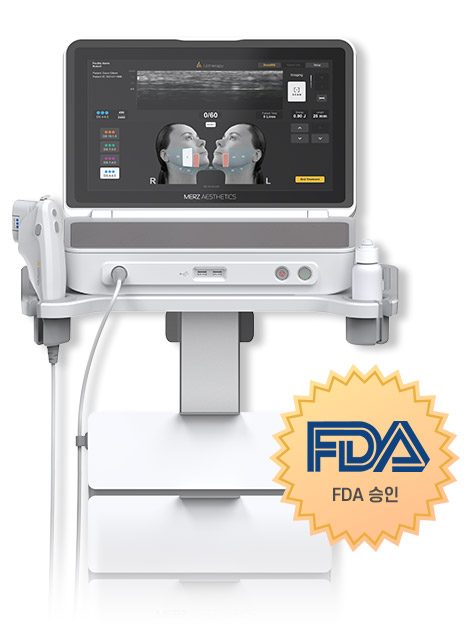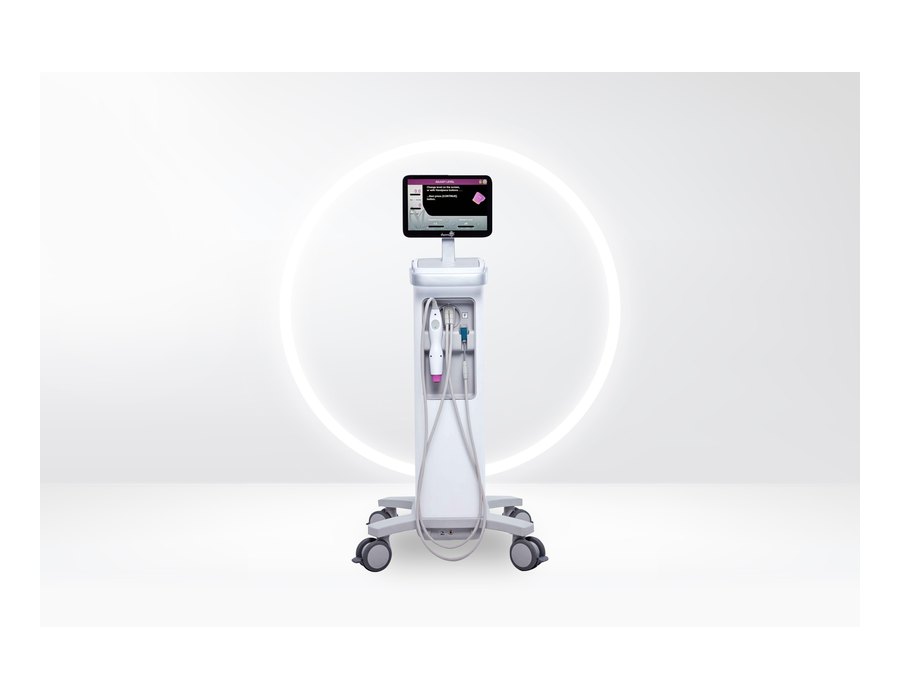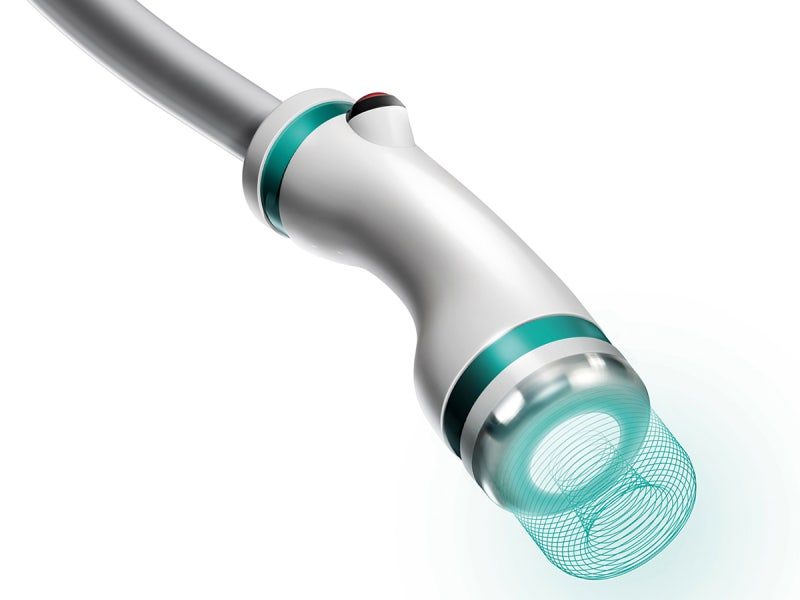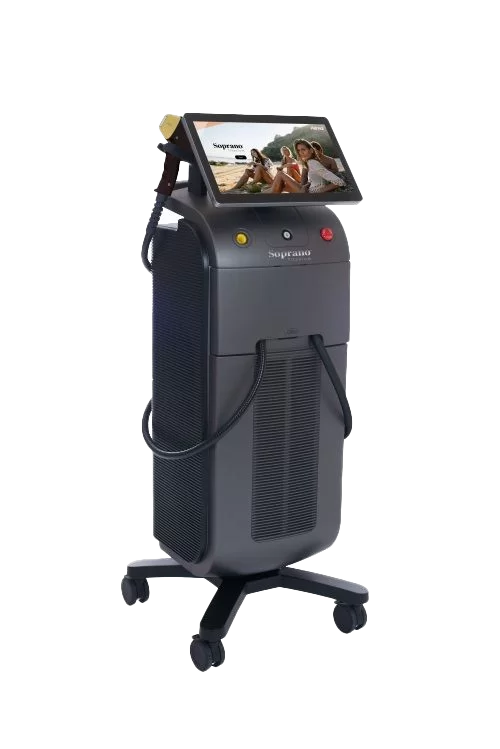
Thermage Flx Seoul Body


Thermage FLX body treatments in Seoul represent the convergence of advanced radiofrequency technology and Korea’s renowned expertise in non-invasive aesthetic procedures. International patients increasingly choose Seoul for body contouring treatments due to the city’s concentration of experienced practitioners, competitive pricing, and access to the latest FDA-cleared devices. This comprehensive guide covers everything you need to know about receiving Thermage FLX body treatments in Korea’s capital. Related: /p>best dermatology clinic gangnam.

Seoul’s medical tourism infrastructure, regulated by the Ministry of Health and Welfare (MOHW), ensures international patients receive treatments from board-certified dermatologists and plastic surgeons using genuine equipment. The city’s Gangnam and Apgujeong districts host numerous clinics specializing in body contouring procedures, offering consultation services in English and comprehensive aftercare protocols designed for overseas visitors. See also: /p>dermatologyinseoul.com.

Understanding Thermage FLX Technology for Body Contouring

Thermage FLX utilizes monopolar radiofrequency energy to heat the deep dermis and subcutaneous layers, stimulating collagen remodeling and tightening loose skin. The FLX platform represents the fourth generation of Thermage technology, featuring AccuREP technology that optimizes energy delivery in real-time based on tissue impedance measurements. This advancement allows practitioners to deliver consistent heating profiles across varying body areas with different tissue densities. Read about dermatologist seoul guide.a Korean dermatology practice.skin clinic seoul.

The body handpiece covers larger treatment areas efficiently with its 3.0cm² and 4.0cm² tip options, making it suitable for abdomen, thighs, arms, and buttocks. Unlike ablative procedures, Thermage FLX preserves the skin’s surface while targeting collagen structures at depths up to 4.3mm. Clinical studies published in peer-reviewed journals demonstrate measurable skin tightening effects, with one study in the Journal of Cosmetic Dermatology showing an average 23% improvement in skin laxity three months post-treatment. See also: /p>

The treatment mechanism involves controlled heating to approximately 55-65°C in target tissues, triggering immediate collagen contraction and long-term neocollagenesis. This dual-action response produces both instant visible tightening and progressive improvement over three to six months as new collagen forms. The simultaneous cooling system protects the epidermis while allowing therapeutic heating of deeper layers, maintaining patient comfort and safety throughout the procedure.

Korean practitioners have refined Thermage FLX protocols for Asian body types, often characterized by different fat distribution patterns and skin characteristics compared to Western populations. Seoul clinics frequently combine multiple tip sizes and customize energy settings based on body area density, with abdomen treatments typically requiring 600-1200 pulses depending on coverage area.

Ideal Candidates and Treatment Areas for Body Thermage

Thermage FLX body treatments work best for patients experiencing mild to moderate skin laxity who want non-surgical tightening without downtime. Ideal candidates typically fall between ages 30-65 with realistic expectations about gradual improvement rather than dramatic transformation. Patients should be within 20-30 pounds of their ideal body weight, as Thermage targets skin quality rather than significant fat reduction.

The most commonly treated body areas in Seoul clinics include:

  • Abdomen: Addressing post-pregnancy skin laxity or age-related looseness, particularly effective for mild abdominal apron and improving skin texture
  • Arms: Tightening the upper arm area where excess skin creates a “bat wing” appearance, typically requiring 300-400 pulses per arm
  • Thighs: Treating inner and outer thigh laxity, improving the appearance of cellulite dimpling through skin tightening effects
  • Buttocks: Lifting and contouring for mild sagging, often combined with thigh treatments for comprehensive lower body rejuvenation
  • Knees: Tightening loose skin above knees, an area particularly concerning for patients who want to wear shorter clothing
  • Back: Addressing bra-line bulging and improving skin texture across the mid and lower back areas

Contraindications include pregnancy, metal implants in treatment areas, active infections, and certain autoimmune conditions. Patients with pacemakers or defibrillators cannot receive Thermage treatments. Korean clinics conduct thorough medical screening during initial consultations to identify any contraindications specific to individual patients.

Body Thermage particularly benefits patients who have undergone significant weight loss and experience residual skin laxity not severe enough to warrant surgical intervention. Post-bariatric patients with moderate excess skin often achieve satisfying tightening results, avoiding surgical body lift procedures. Similarly, postpartum women seeking abdominal tightening without tummy tuck surgery find Thermage FLX an attractive option once they’ve completed breastfeeding and reached stable weight.

Seoul practitioners emphasize realistic outcome expectations during consultations. While Thermage FLX produces measurable improvements documented through before-after photography and patient satisfaction surveys, it cannot replicate surgical results. Patients seeking dramatic body transformation or those with severe skin laxity receive candid guidance that surgical options may serve them better.. Read about seoul dermatology guide.

The Thermage FLX Body Treatment Process in Seoul

The treatment journey begins with comprehensive consultation, typically offered in English at international patient-focused clinics throughout Gangnam and Apgujeong. During this 30-45 minute session, practitioners assess skin quality, discuss medical history, evaluate treatment expectations, and create customized protocols. Clinics often provide digital imaging to document baseline appearance and project potential outcomes.

Pre-treatment preparation remains minimal compared to invasive procedures. Patients should arrive with clean, product-free skin and stay well-hydrated. Some clinics recommend avoiding alcohol and anti-inflammatory medications 2-3 days before treatment to minimize bruising potential, though this occurs rarely with Thermage FLX body treatments.

The treatment protocol follows this sequence:

  • Marking: The practitioner outlines treatment zones using a grid pattern, ensuring complete coverage and proper pulse distribution
  • Application: A coupling fluid gets applied to facilitate radiofrequency energy transmission and handpiece movement
  • Energy Delivery: The practitioner systematically treats each grid section, with patients experiencing deep heating sensations and brief cooling bursts
  • Real-time Adjustment: Energy levels may be modified based on patient comfort and tissue response, with AccuREP technology optimizing delivery

Treatment duration varies by area size, typically ranging from 45-90 minutes for single zones. Full abdominal treatments requiring 800-1000 pulses usually take 60-75 minutes, while smaller areas like arms may require only 30-40 minutes per side. Korean practitioners often offer mild oral pain medication or topical numbing for sensitive patients, though many complete treatments without anesthesia.

Pain levels register differently among individuals, with most patients describing the sensation as tolerable deep heating with momentary intensity spikes. The improved comfort profile of Thermage FLX compared to earlier generations has significantly enhanced patient tolerance. Seoul clinics frequently use distraction techniques, including music or conversation, to maintain comfort throughout treatment sessions.

Immediate post-treatment appearance typically shows mild redness and possible swelling in treated areas, resolving within hours to a few days. Some patients experience temporary tenderness or numbness that subsides gradually. Unlike ablative procedures or surgery, patients resume normal activities immediately, making Thermage FLX particularly suitable for international visitors with limited time in Seoul.

Korean clinics provide detailed aftercare instructions, emphasizing hydration, sun protection, and avoiding extreme heat exposure for 48 hours. Most practitioners schedule follow-up consultations at three and six months to document results, though virtual follow-ups accommodate international patients who have returned home.

Expected Results, Timeline, and Longevity

Thermage FLX body treatments produce both immediate and progressive results following distinct timelines. Patients typically notice initial tightening immediately after treatment due to collagen contraction, though swelling may temporarily mask these effects. The appearance often improves gradually over the subsequent three to six months as neocollagenesis progresses and new collagen fibers mature.

Clinical data indicates peak results manifest around three months post-treatment, with continued subtle improvement possible up to six months. Research published in Dermatologic Surgery documented patient satisfaction rates of 86% at three months following body Thermage treatments, with objective measurements showing average circumference reductions of 1-2 centimeters in treated areas.

Result longevity varies based on individual aging processes, lifestyle factors, and skin quality. Most patients maintain visible improvements for 1-2 years, with some experiencing benefits beyond this timeframe. The natural aging process continues, but the collagen remodeling triggered by Thermage FLX creates lasting structural improvements that age more gradually than untreated tissue.

Factors influencing result quality and duration include:

  • Age: Younger patients with better baseline collagen production typically achieve more pronounced, longer-lasting results
  • Skin Quality: Those with mild to moderate laxity rather than severe sagging experience more satisfying outcomes
  • Lifestyle: Sun protection, stable weight maintenance, proper hydration, and healthy habits preserve results longer
  • Treatment Protocol: Appropriate energy levels and adequate pulse coverage directly impact effectiveness
  • Individual Biology: Genetic factors affecting collagen production and skin elasticity influence response variation

Seoul practitioners often recommend maintenance treatments every 12-18 months to sustain optimal results, though some patients remain satisfied with single-session outcomes. The non-destructive nature of radiofrequency treatment allows safe repetition without cumulative tissue damage concerns associated with some other modalities.

Combination treatment approaches have gained popularity in Korean aesthetic medicine, with practitioners strategically pairing Thermage FLX with complementary procedures. Common combinations include:

  • Ultherapy: Ultrasound technology targeting different tissue depths for enhanced lifting effects
  • Sculptra: Poly-L-lactic acid injections stimulating additional collagen production in specific areas
  • Body Contouring Lasers: Devices like SculpSure for simultaneous fat reduction and skin tightening
  • Radiofrequency Microneedling: Addressing surface texture concerns alongside deep tissue tightening

These combination protocols typically space treatments appropriately, with practitioners designing strategic timelines that optimize synergistic effects without overwhelming tissue healing capacity. International patients often coordinate multiple procedures during Seoul visits to maximize their medical tourism investment while respecting safe treatment intervals.

Photographic documentation proves essential for tracking gradual improvements that may not feel dramatic day-to-day. Seoul clinics routinely capture standardized before-after images from consistent angles and lighting, allowing objective comparison over time. Patients should maintain realistic expectations, understanding that Thermage FLX delivers natural-looking enhancement rather than dramatic transformation.

Safety, Side Effects, and Risk Management

Thermage FLX maintains an excellent safety profile supported by extensive clinical data and FDA clearance for body skin tightening. The technology’s built-in safety features, including continuous impedance monitoring and automatic energy adjustment, minimize complication risks. Korean clinics operating under MOHW regulations adhere to strict safety protocols and maintain detailed adverse event reporting systems. Read about visit.

Common temporary side effects include:

  • Redness: Mild erythema typically resolving within 24 hours, occasionally persisting 2-3 days
  • Swelling: Temporary edema in treated areas, most noticeable in first 48 hours
  • Tenderness: Mild soreness similar to post-workout muscle tenderness, lasting several days
  • Numbness: Temporary altered sensation occasionally occurring, resolving within weeks
  • Bumps: Small welts at pulse sites that typically disappear within hours

Serious complications remain extremely rare when treatments are performed by qualified practitioners using genuine equipment. Potential but uncommon risks include:

  • Burns: Surface burns from improper technique or inadequate coupling fluid application
  • Fat Atrophy: Localized fat loss creating contour irregularities, more common with excessive energy levels
  • Paradoxical Laxity: Rare instances where skin appears looser post-treatment, mechanism poorly understood
  • Prolonged Edema: Persistent swelling lasting beyond typical resolution timeframe

Seoul’s board-certified dermatologists and plastic surgeons minimize risks through comprehensive training, conservative energy protocols for new patients, and careful patient selection. Clinics certified by the Korean Association of Medical Societies (KAMS) demonstrate adherence to national safety standards and continuing education requirements.

International patients should verify several safety factors when selecting Seoul clinics:

  • Device Authenticity: Confirm clinics use genuine Thermage FLX equipment rather than counterfeit devices
  • Practitioner Credentials: Verify board certification and specific Thermage training completion
  • Facility Accreditation: Check for proper medical facility licensing and international quality certifications
  • Emergency Protocols: Ensure clinics maintain emergency equipment and established complication management procedures
  • Communication Capacity: Confirm availability of English-speaking staff for clear consent and instruction understanding

The counterfeit device issue particularly concerns medical tourists, as unauthorized equipment may lack safety features and produce inferior results. Reputable Seoul clinics willingly provide device serial number verification and manufacturer certification documentation. Patients should request to see the device before treatment and verify the Solta Medical branding and packaging. Read about korean clinic reviews.

Pain management approaches vary, with most patients tolerating body Thermage without anesthesia beyond topical numbing cream. Some Seoul clinics offer mild oral anxiolytics for particularly anxious patients or those treating larger areas. The improved comfort technology in Thermage FLX compared to previous generations has substantially reduced anesthesia requirements.

Post-treatment monitoring protocols at quality Seoul clinics include immediate assessment before discharge and scheduled follow-up contact within 24-48 hours to identify any unusual reactions. International patients receive detailed contact information for reporting concerns after returning home, with many clinics offering telehealth consultation for post-treatment questions. Emergency protocols ensure patients experiencing unusual symptoms receive prompt medical evaluation and appropriate intervention.

Cost Considerations and Seoul’s Competitive Advantages

Thermage FLX body treatment costs in Seoul typically range from $1,500-$4,000 depending on treatment area size, pulse count, and clinic positioning. These prices represent significant savings compared to Western markets where similar treatments cost $3,000-$6,000 in the United States, £2,500-£5,000 in the United Kingdom, and AUD $4,000-$7,000 in Australia. The cost differential enables international patients to combine treatments with travel expenses while still achieving overall savings.

Price factors influencing Seoul clinic quotations include:

  • Treatment Area: Larger zones requiring more pulses increase costs proportionally
  • Clinic Location: Premium Gangnam district locations may charge higher rates than other Seoul areas
  • Practitioner Experience: Renowned specialists with extensive Thermage experience command premium fees
  • Facility Amenities: High-end clinics with luxury accommodations and concierge services price accordingly
  • Package Deals: Multiple area treatments or combination procedure packages often include discounting

Most Seoul clinics offer transparent pricing without hidden fees, with quoted costs including consultation, treatment, immediate post-care products, and initial follow-up. International patients should clarify what each quote encompasses and request itemized estimates for accurate comparison shopping.

Seoul’s competitive advantages for Thermage FLX body treatments extend beyond pricing:

  • Technology Access: Korean clinics rapidly adopt latest aesthetic technology, ensuring access to newest platforms
  • Practitioner Volume: High patient volumes provide Korean doctors extensive hands-on experience and refined technique
  • Cultural Excellence: Korean aesthetic medicine culture emphasizes natural-looking results and conservative approaches
  • Infrastructure: Established medical tourism support systems facilitate international patient experiences
  • Combination Expertise: Korean practitioners excel at strategic multi-modality treatment protocols

Medical tourism facilitators operating in Seoul provide package services including airport transfers, accommodation coordination, interpreter services, and clinic appointments. These agencies typically charge 10-15% commission but offer convenience for patients unfamiliar with Seoul’s medical landscape. Independent travel planning remains viable for cost-conscious patients comfortable with self-navigation.

Payment options at Seoul clinics usually include credit cards, international wire transfers, and cash payments. Some facilities offer payment plans for higher-cost treatments, though international patients may find these less accessible than domestic clients. Travel medical financing companies provide specialized loans for medical tourism expenses, including both procedures and travel costs. Read about derm seoul.

Insurance coverage rarely applies to elective cosmetic procedures like Thermage FLX body treatments, regardless of treatment location. Patients should budget for full out-of-pocket expenses and maintain realistic expectations about reimbursement possibilities. Medical tourism insurance covering complications from elective procedures provides valuable protection, with several companies offering specialized policies for international aesthetic treatments.

When calculating total medical tourism costs, patients should include consultation fees, treatment expenses, accommodation, flights, local transportation, meals, and contingency funds for extended stays if complications arise. A realistic budget for Seoul Thermage FLX body treatment including one week’s stay typically ranges from $3,000-$6,000 total, still representing savings compared to domestic treatment costs in many Western countries.

Timing visits during Seoul’s shoulder seasons (April-May or September-October) can reduce accommodation and flight costs while avoiding extreme weather. Booking treatments mid-week rather than

Leave a Comment