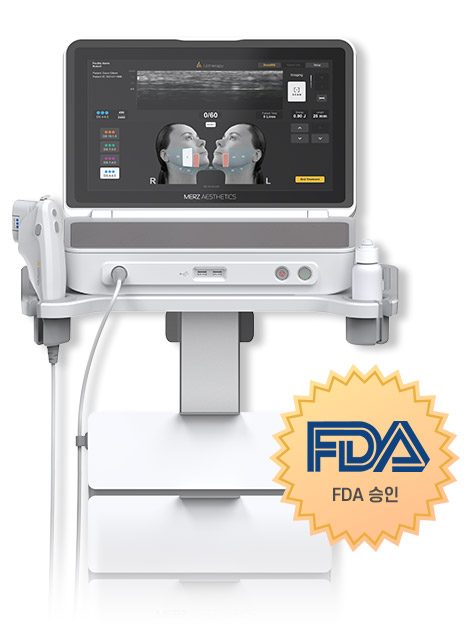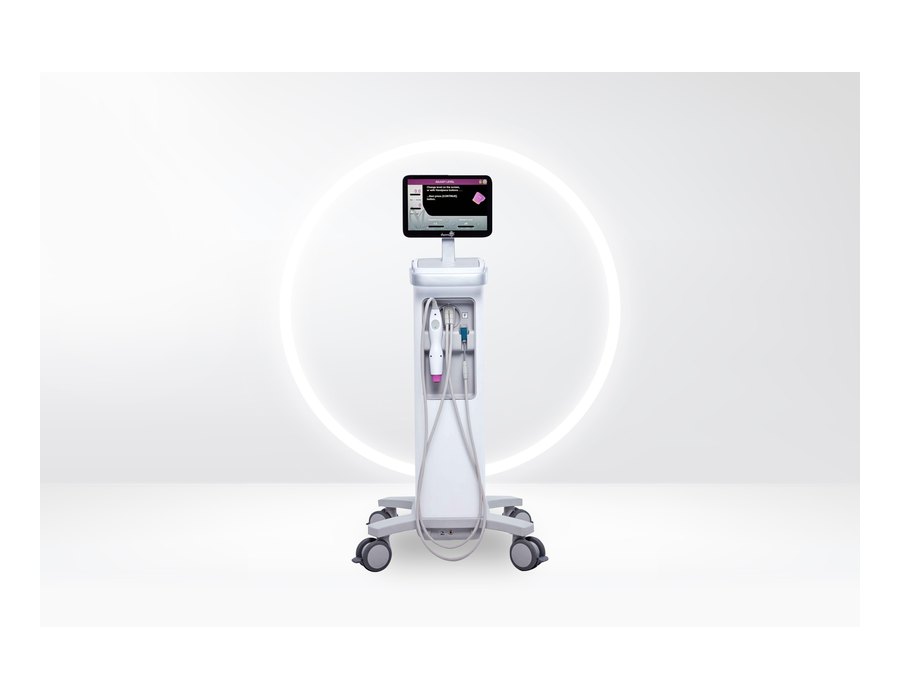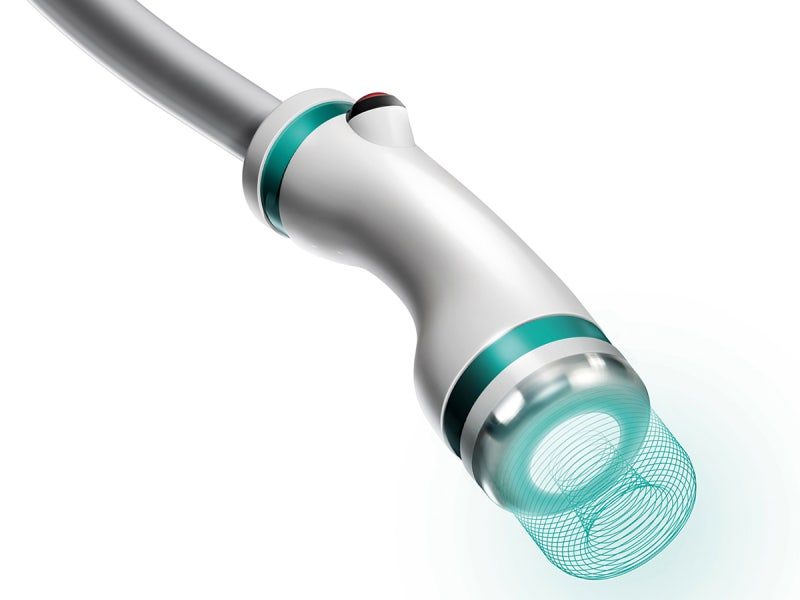
Thermage FLX represents the latest evolution in radiofrequency skin tightening technology, and Seoul’s dermatology clinics have become international destinations for patients seeking superior results with this non-invasive treatment. International patients from the US, UK, Australia, and Singapore increasingly choose Seoul for Thermage FLX procedures due to competitive pricing, advanced equipment, and the exceptional expertise of Korean dermatologists who perform thousands of treatments annually. Discover /p>clinic english.
This comprehensive guide examines what you can realistically expect from Thermage FLX results in Seoul, including timeline expectations, factors affecting outcomes, comparative advantages of Korean clinics, and detailed before-and-after insights from international patients. Understanding these elements helps you make informed decisions about pursuing treatment in Korea’s competitive medical aesthetics market. Related: /p>english speaking.
Understanding Thermage FLX Technology and Result Mechanisms
Thermage FLX utilizes monopolar radiofrequency energy to heat deep dermal layers, triggering immediate collagen contraction and long-term neocollagenesis. The FLX version, released in 2018, introduced AccuREP technology that optimizes energy delivery across treatment zones, ensuring consistent heating patterns that previous Thermage iterations couldn’t achieve. This technological advancement directly correlates with more predictable and uniform results. For more on this topic, see /p>gangnam skin clinic.
The procedure works by delivering volumetric heating to depths of 2.5-4.3mm depending on treatment tip selection. Seoul clinics typically stock all four FLX tips (face, eye, body, and total tip), allowing customized treatment plans that Western clinics may not offer due to inventory costs. The therapeutic temperature range of 40-45°C stimulates fibroblast activity without damaging surrounding tissue, initiating a wound-healing response that remodels existing collagen while producing new structural proteins. See also: /p>
Research published in Dermatologic Surgery documented objective improvements in skin laxity measurements using 3D imaging analysis, with 87% of subjects showing quantifiable lifting effects three months post-treatment. Korean dermatologists frequently cite another study from Lasers in Surgery and Medicine demonstrating sustained collagen density increases for up to 12 months following single Thermage FLX sessions, supporting the longevity claims associated with this treatment.
Seoul’s high-volume clinics have developed refined protocols based on treating diverse skin types and anatomical concerns. Board-certified dermatologists affiliated with the Korean Association of Medical Specialists (KAMS) typically perform or directly supervise treatments, contrasting with some international markets where less-qualified practitioners operate RF devices. This expertise level significantly impacts result consistency and safety profiles.
Realistic Timeline for Thermage FLX Results in Seoul Clinics
Understanding the progression of Thermage FLX results prevents unrealistic expectations and helps international patients plan follow-up visits or complementary treatments. Results manifest in three distinct phases, each with characteristic changes that Seoul dermatologists can predict with considerable accuracy based on individual patient factors.
Immediate Post-Treatment Phase (Day 1-14)
Immediately following treatment, patients experience mild skin tightening from initial collagen contraction, though this represents only 20-30% of eventual results. Seoul clinics document this phase extensively with standardized photography, providing patients with reference points for tracking progression. Temporary side effects including redness, mild swelling, and occasional numbness typically resolve within 2-5 days, shorter than recovery periods reported in Western markets, potentially due to refined technique protocols used by high-volume Korean practitioners.
Some patients notice subtle contour improvements within the first week, particularly in the lower face and jawline where skin laxity responds most dramatically to RF energy. However, Seoul dermatologists emphasize that this immediate phase should not be used to judge final outcomes, as the primary mechanism—neocollagenesis—requires several weeks to initiate and months to complete.
Active Collagen Remodeling Phase (Week 2-Month 3)
The most significant visible changes emerge during this period as new collagen formation accelerates. Patients typically report progressive improvements in skin texture, firmness, and subtle lifting effects between weeks 6-12. Seoul clinics schedule follow-up evaluations at the 8-week mark to assess response and determine whether complementary treatments like Ultherapy or thread lifts might optimize results for patients with more advanced laxity.
International patients who return to Seoul for follow-up appointments report that photographic comparisons reveal changes they hadn’t consciously noticed, particularly in periorbital areas, nasolabial folds, and neck texture. The gradual nature of improvements means patients often receive compliments about looking “refreshed” or “well-rested” rather than obviously treated—an aesthetic outcome that many international patients specifically seek.
Peak Results and Longevity Phase (Month 3-12+)
Maximum results typically manifest between 3-6 months post-treatment, with effects plateauing as collagen remodeling stabilizes. Seoul dermatologists report that results generally persist 12-24 months depending on age, skin condition, lifestyle factors, and genetic collagen degradation rates. Patients in their 30s-40s with mild to moderate laxity tend to experience longer-lasting results than those over 55 with significant photoaging. Read about gangnam dermatology.
Korean clinics have documented that patients who maintain results through proper skincare, sun protection, and periodic maintenance treatments (typically one session every 18-24 months) can extend benefits substantially. Some Gangnam clinics offer combination maintenance protocols pairing annual Thermage FLX with quarterly microneedling radiofrequency treatments, creating sustained collagen stimulation at different tissue depths.. Patients often consider /p>
Factors Influencing Thermage FLX Results Quality
Not all Thermage FLX treatments produce equivalent results. Seoul’s competitive medical aesthetics market has identified specific variables that significantly impact outcomes, allowing informed patients to select clinics and protocols that maximize their individual result potential.
Tip Selection and Shot Distribution Strategy
Seoul dermatologists typically use 600-1200 shots per full-face treatment compared to 400-600 shots common in some Western clinics. Higher shot counts allow more comprehensive coverage and overlapping treatment zones that create uniform heating patterns. The total tip (4.0cm²) enables faster treatments with fewer passes, while smaller tips provide precision in delicate areas like the periorbital region and neck bands.
Experienced Korean practitioners customize shot distribution based on individual aging patterns rather than applying standardized protocols. Patients with primarily lower face concerns receive concentrated energy in the jawline and jowl regions, while those with forehead laxity get denser coverage in the upper face. This customization requires assessment expertise that high-volume Seoul clinics have refined through treating thousands of international and domestic patients annually.
Energy Level Optimization
Thermage FLX devices allow practitioners to adjust energy levels throughout treatment based on real-time patient feedback and tissue response. Seoul dermatologists trained according to Ministry of Health and Welfare (MOHW) standards typically employ higher energy settings than practitioners in markets with more conservative protocols, as Korean aesthetic medicine culture prioritizes efficacy alongside safety.
The AccuREP technology in FLX devices provides algorithmic guidance for optimal energy delivery, but physician judgment remains critical. Korean board-certified dermatologists balance maximum therapeutic heating with patient comfort thresholds, often achieving energy levels 10-15% higher than less experienced practitioners might attempt. This difference directly correlates with result intensity, particularly for patients with thicker skin or more advanced laxity.
Patient Age and Skin Condition Baseline
Thermage FLX produces optimal results in patients aged 30-55 with mild to moderate skin laxity. Seoul clinics maintain extensive before-and-after databases showing that patients in this demographic achieve 70-85% satisfaction rates with single treatments. Younger patients seeking preventive treatments also respond excellently, though visible improvements may be subtler since baseline laxity is minimal.
Patients over 60 or those with severe skin laxity may require combination approaches for satisfactory outcomes. Korean dermatologists frequently recommend Thermage FLX alongside thread lifts, HIFU treatments, or surgical facelifts for this demographic, creating synergistic effects that neither treatment achieves independently. Honest assessment of candidacy represents a hallmark of reputable Seoul clinics, which prioritize realistic outcome expectations over simply booking procedures.
Skin Type and Ethnic Considerations
Thermage FLX is safe for all Fitzpatrick skin types, but response patterns vary by ethnic background and intrinsic skin characteristics. Seoul dermatologists have extensive experience treating Asian, Caucasian, and mixed-ethnicity patients, providing comparative insights that single-population clinics cannot offer. International patients report that this diversity experience translates to more accurate result predictions for their specific skin type.
Patients with higher Fitzpatrick types (IV-VI) may experience slightly longer inflammation periods, though actual collagen remodeling proceeds identically. Korean clinics have developed cooling protocols and post-treatment care regimens specifically addressing these variations, optimizing comfort and minimizing temporary discoloration risks that concern darker-skinned patients.
Seoul vs. International Thermage FLX Results: Comparative Analysis
International patients choosing Seoul for Thermage FLX frequently question whether results differ from treatments available in their home countries. Evidence suggests several factors create potential advantages for Seoul-based treatments, though individual practitioner skill always remains the primary determinant of outcomes.
Treatment Volume and Practitioner Expertise
Leading Gangnam and Apgujeong dermatology clinics perform 20-50 Thermage FLX treatments weekly, compared to 5-10 monthly procedures typical of high-performing Western clinics. This volume differential translates to practitioners who have personally performed thousands of treatments, developing refined techniques for shot placement, energy titration, and real-time protocol adjustments that lower-volume practitioners cannot replicate. Read about best best dermatologist seoul.
Korean dermatologists specializing in non-surgical skin tightening often publish research, teach technique workshops, and consult for device manufacturers, positioning them at the forefront of evolving best practices. International patients benefit from this expertise concentration, accessing skill levels that might require extensive research to locate in dispersed Western markets.
Technology Access and Equipment Maintenance
Seoul clinics typically upgrade to latest-generation devices immediately upon release, maintaining competitive advantages in Korea’s saturated aesthetic medicine market. Thermage FLX devices in premium Gangnam clinics are frequently newer with lower shot counts on disposable tips, ensuring optimal energy delivery consistency. Western clinics may use tips across their full 1000-shot lifespan to maximize equipment ROI, potentially compromising treatment uniformity in later uses. Read about board certified dermatologist seoul.
Regular calibration and maintenance protocols mandated by Korean medical device regulations ensure equipment operates within manufacturer specifications. The MOHW enforces stricter device oversight than many Western regulatory bodies, creating systematic quality assurance that individual clinic diligence provides elsewhere.
Combination Treatment Protocols
Korean aesthetic medicine philosophy emphasizes layered approaches combining multiple modalities for synergistic results. Seoul dermatologists frequently pair Thermage FLX with complementary treatments like Ultherapy (focused ultrasound), Oligio (microneedling RF), or Shurink (HIFU) within strategic timeframes, addressing skin tightening at different tissue depths and through varied mechanisms.
These combination protocols have been refined through extensive clinical experience with Korean and international patients. Western clinics are increasingly adopting similar approaches, but Seoul’s concentration of technologies and practitioner expertise allows more sophisticated treatment architectures that maximize collagen remodeling while managing cumulative treatment stress on tissues.
Cost-Effectiveness and Treatment Value
Full-face Thermage FLX treatments in Seoul range $1,500-$2,800 at reputable clinics, compared to $3,500-$5,500 in the US, £2,500-£4,000 in the UK, and $3,000-$4,500 in Australia. When international patients factor travel costs, many still achieve 30-40% total savings while accessing higher practitioner expertise and newer equipment. Singapore patients enjoy the smallest cost differential but frequently choose Seoul for practitioner selection and combination treatment options unavailable domestically.
Premium Seoul clinics serving international patients provide English-speaking coordinators, detailed treatment documentation, and comprehensive post-treatment care instructions that facilitate seamless medical tourism experiences. These support systems, combined with cost advantages, create compelling value propositions that pure price comparisons understate.
Optimizing and Maintaining Thermage FLX Results
Achieving maximum results from Thermage FLX requires more than selecting an excellent practitioner and clinic. Patient preparation, immediate post-treatment care, and long-term maintenance strategies significantly influence both result quality and longevity.
Pre-Treatment Optimization Strategies
Seoul dermatologists recommend 4-6 week pre-treatment protocols including vitamin C serums, retinoids, and comprehensive sun protection to optimize skin condition before Thermage FLX. Patients who discontinue smoking at least two weeks pre-treatment show measurably better collagen remodeling responses, as nicotine impairs fibroblast activity and microcirculation essential for neocollagenesis.
Hydration status affects RF energy transmission through tissues. Korean clinics advise patients to maintain excellent hydration in the week before treatment, avoiding alcohol and excessive sodium intake that could compromise tissue water content. Some clinics perform bioimpedance analysis to assess hydration adequacy, rescheduling significantly dehydrated patients for optimal treatment conditions.
Post-Treatment Care Protocols
Immediate post-treatment care in Seoul clinics typically includes LED light therapy (red/infrared wavelengths) to reduce inflammation and support collagen synthesis. Patients receive detailed instructions for 48-72 hour care including gentle cleansing, hydrating serums, mineral sunscreen, and avoiding heat exposure that could exacerbate temporary swelling.
Korean dermatologists emphasize that the 3-month collagen remodeling period represents a critical window for supporting optimal results through proper skincare. Recommended protocols include growth factor serums, peptide formulations, and periodic hydrating treatments like aqua peels or oxygen facials. International patients receive product recommendations suitable for their home markets, as Korean cosmeceutical brands may be difficult to source internationally.
Long-Term Maintenance Approaches
Sustaining Thermage FLX results requires addressing ongoing collagen degradation through lifestyle factors and periodic maintenance treatments. Seoul clinics recommend annual skin assessments to determine optimal timing for repeat Thermage FLX sessions, typically 18-24 months after initial treatment for most patients.
Between major treatments, Korean dermatologists suggest quarterly maintenance procedures like microneedling, radiofrequency microneedling, or laser genesis to provide sustained collagen stimulation. These less intensive treatments extend Thermage FLX results while addressing other skin concerns like texture, pigmentation, and pore size that RF treatments don’t primarily target.
Prescription retinoids remain the gold standard for daily collagen support. Seoul dermatologists can prescribe tretinoin or adapalene formulations for international patients to use during their stay and continue at home, though regulations vary by destination country. Comprehensive sun protection using broad-spectrum SPF 50+ prevents collagen breakdown from UV exposure, the primary environmental factor degrading Thermage FLX results.
Selecting Seoul Clinics for Optimal Thermage FLX Results
Seoul’s competitive aesthetic medicine market includes hundreds of clinics offering Thermage FLX, creating selection challenges for international patients. Understanding key differentiators helps identify clinics most likely to deliver superior results and patient experiences.
Practitioner Credentials and Specialization
Prioritize clinics where board-certified dermatologists perform treatments rather than delegating to nurses or aestheticians. Korean medical law permits broader delegation than Western regulations, but optimal results require physician-level anatomical knowledge and real-time decision-making capabilities. Verify practitioners hold certifications from the Korean Dermatological Association or similar specialty boards recognized by KAMS.
High-performing Seoul dermatologists often subspecialize in non-surgical facial rejuvenation, dedicating the majority of their practice to RF treatments, HIFU, thread lifts, and complementary modalities. This specialization develops pattern recognition for subtle technique refinements that general practitioners or part-time aesthetic providers cannot match. Request information about practitioner treatment volumes and years of Thermage-specific experience during consultation.
Technology and Equipment Standards
Confirm clinics use authentic Thermage FLX devices with verifiable serial numbers, as counterfeit or older-generation equipment occasionally appears in less reputable establishments. Solta Medical, Thermage’s manufacturer, maintains authorized provider databases that international patients can reference. Premium clinics willingly provide device verification and maintenance documentation demonstrating equipment calibration and tip replacement protocols.
Clinics maintaining multiple RF platforms (Thermage FLX, Oligio, Potenza, etc.) demonstrate commitment to technology investment and can offer comparative assessments of which system best addresses individual patient concerns. This multi-platform approach indicates established practices with financial stability rather than newer clinics with limited equipment portfolios.
International Patient Support Infrastructure
Reputable Seoul clinics serving international patients provide English-speaking coordinators, detailed consent documentation in multiple languages, and comprehensive pre/post-treatment instructions suitable for patients traveling long distances. Verify that clinics offer telemedicine follow-up consultations for international patients who cannot easily return for in-person assessments.
Premium medical tourism facilitators in Seoul can arrange multi-clinic consultations, allowing patients to compare approaches before committing to treatment. These services typically charge nominal fees or operate on clinic referral commissions, providing value through translation, appointment coordination, and quality screening that independent patients struggle to replicate.
Transparent Pricing and Treatment Protocols
Request itemized treatment quotes specifying shot counts, tip types, and any complementary procedures included in packages. Seoul’s competitive market creates pressure for clinics to offer “premium” packages that may include treatments of questionable value. Discerning patients focus on core Thermage FLX parameters rather than bundled add-ons that inflate prices without proportional benefit.
Be cautious of pricing significantly below market rates ($1,200-$1,500 for full-face treatment), which may indicate reduced shot counts, older equipment, or less experienced practitioners. The optimal value zone for international patients typically falls in the $1,800-$2,500 range at clinics balancing quality and competitive pricing. Read about seoul dermatology.