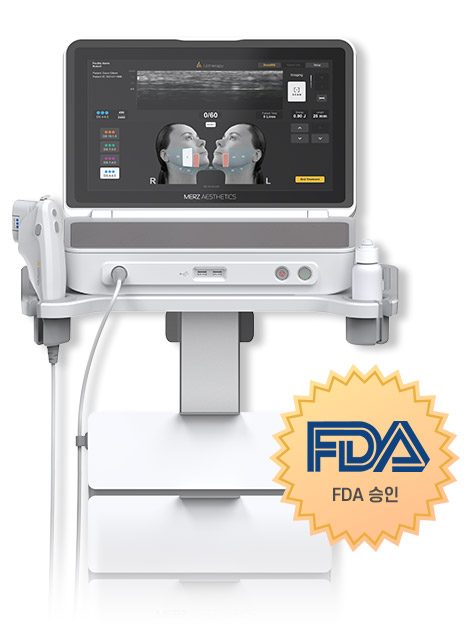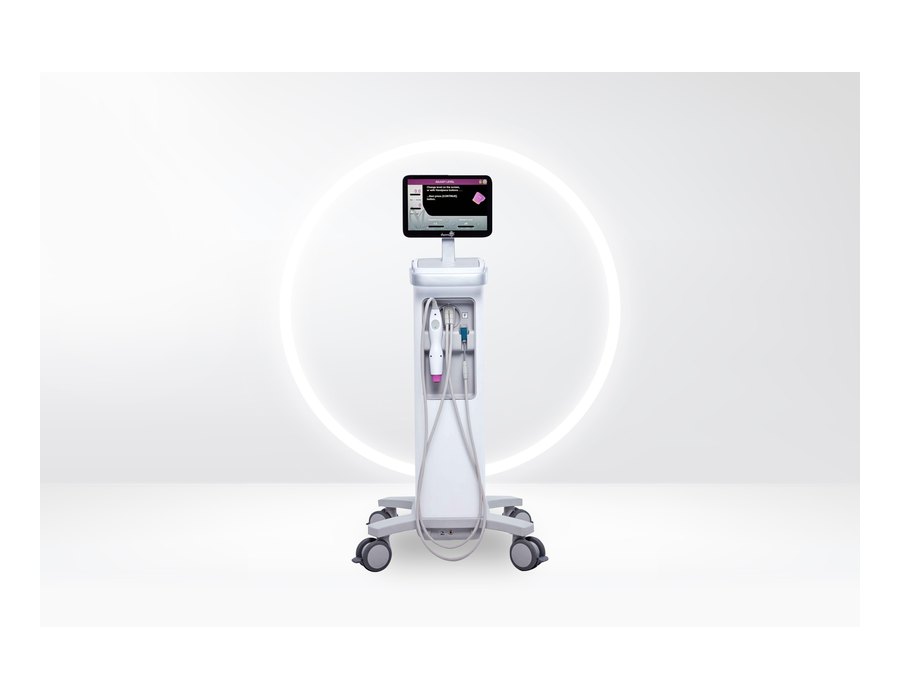
Thermage FLX represents the fourth generation of Thermage technology, delivering monopolar radiofrequency energy to tighten skin and stimulate collagen production without surgery. Seoul has emerged as a leading destination for this treatment, offering advanced expertise, competitive pricing, and English-speaking medical services that meet international standards. Korean dermatologists and plastic surgeons perform thousands of Thermage FLX procedures annually, supported by rigorous training standards enforced by the Korean Association of Medical Aesthetics (KAMS) and oversight from the Ministry of Health and Welfare (MOHW). Learn about /p>GDC.
International patients choose Seoul for Thermage FLX due to the concentration of experienced practitioners in districts like Gangnam and Apgujeong, where clinics specialize in non-invasive aesthetic treatments. The combination of FDA-approved technology, board-certified physicians, and transparent pricing structures makes Seoul an attractive alternative to comparable treatments in Western markets. This guide provides comprehensive information on Thermage FLX procedures in Seoul, specifically for English-speaking patients evaluating their options. Learn about /p>one Gangnam practice.
Understanding Thermage FLX Technology and Mechanism
Thermage FLX utilizes monopolar radiofrequency energy to heat deep layers of skin, specifically targeting the dermis and fibrous septae at controlled depths. The treatment delivers energy at 6 MHz frequency through a patented capacitive coupling system, creating volumetric heating that triggers immediate collagen contraction and long-term neocollagenesis. According to research published in Dermatologic Surgery, monopolar RF penetrates deeper than bipolar alternatives, reaching the reticular dermis and subcutaneous tissue where structural proteins require remodeling. For more on this topic, see /p>clinic seoul.
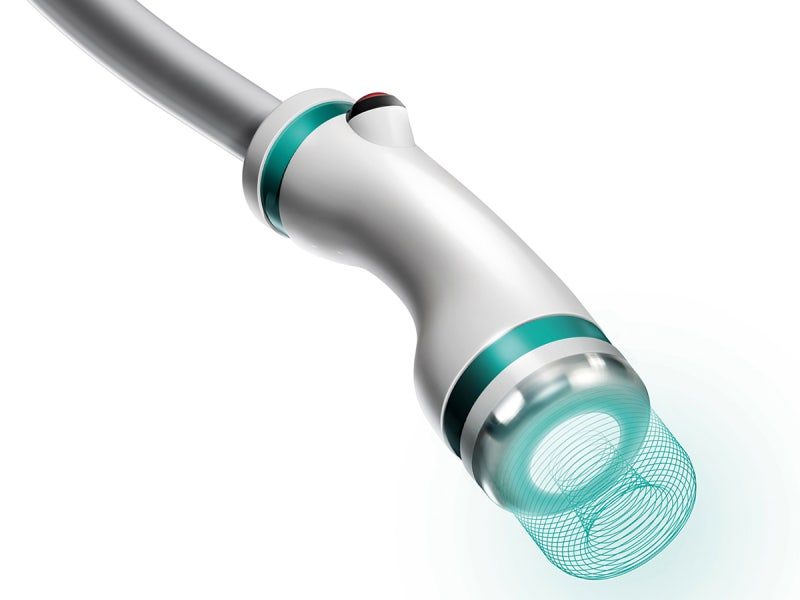
The FLX generation introduced AccuREP Technology, which optimizes energy delivery based on tissue impedance measurements taken during treatment. This fourth-generation system automatically adjusts power output to maintain consistent therapeutic temperatures between 55-65°C in target tissues while protecting the epidermis through continuous cooling. The handpiece features a larger treatment tip (4.0cm²) compared to previous generations, reducing procedure time by approximately 25% while maintaining efficacy. Learn about /p>
Clinical improvements occur through two mechanisms: immediate collagen contraction producing visible tightening within hours, and delayed neocollagenesis over 2-6 months as fibroblasts respond to controlled thermal injury. Studies in the Journal of Cosmetic and Laser Therapy demonstrate that monopolar RF stimulates heat shock proteins and upregulates collagen type I and III production, resulting in measurable skin tightening that peaks around three months post-treatment.
Treatment Areas and Applications
Thermage FLX treats multiple facial and body areas with specialized tip configurations. The 0.25cm² eye tip addresses periorbital wrinkles and hooded eyelids, while the standard 4.0cm² tip covers larger facial zones including cheeks, jowls, and neck. Body applications include abdomen laxity, arm skin tightening, and cellulite improvement using dedicated body tips designed for deeper penetration.
Korean practitioners commonly treat the lower face and jawline to address age-related sagging, an area where Asian patients particularly seek improvement. The mid-face and nasolabial regions also receive frequent treatment, as do the forehead and brow area for non-surgical lifting. Seoul clinics often combine Thermage FLX with complementary treatments such as Ultherapy or fractional CO2 lasers, creating comprehensive rejuvenation protocols. Read about comprehensive korean dermatology clinic.
Why Seoul for Thermage FLX Treatment
Seoul has established itself as a global center for aesthetic medicine, with Gangnam district alone housing over 500 registered dermatology and plastic surgery clinics. This concentration creates competitive excellence, as practitioners must maintain high standards and adopt latest technologies to remain viable. Korean dermatologists complete rigorous specialty training programs accredited by the Korean Dermatological Association, followed by additional certification in aesthetic procedures through KAMS-approved courses.
The Korean medical system emphasizes volume and specialization, meaning Seoul practitioners perform significantly more Thermage FLX procedures than typical Western counterparts. A busy Gangnam clinic may conduct 20-30 Thermage treatments weekly, compared to 5-10 in comparable US or UK practices. This volume translates to refined technique, optimized protocols, and superior outcomes based on extensive hands-on experience.
Cost Comparison and Value Proposition
Thermage FLX pricing in Seoul typically ranges from $1,200-$2,500 for full face treatment, depending on clinic tier and physician experience. Comparable procedures in the United States cost $2,500-$5,000, while UK prices range £2,000-£4,000, and Australian clinics charge AUD $3,500-$6,000. This 40-60% cost advantage remains substantial even after factoring international travel expenses.
The value proposition extends beyond direct cost savings. Seoul packages often include comprehensive consultations, post-treatment care products, and follow-up assessments without additional charges. Clinics catering to international patients provide English-speaking coordinators who manage appointments, arrange transportation, and facilitate communication with medical staff. Many facilities occupy modern buildings in Apgujeong and Cheongdam areas, offering hospitality standards comparable to premium hotels.
English-Speaking Medical Infrastructure
Major Seoul clinics serving international patients employ multilingual staff, including coordinators fluent in English, Chinese, Japanese, and Russian. Board-certified physicians in these facilities typically possess English proficiency sufficient for medical consultations, having completed portions of their training in English or attended international conferences. Clinics certified by the MOHW for international patient services must demonstrate language capabilities and maintain translated medical records.
Medical tourism facilitators and international patient departments handle pre-arrival consultations via email, WhatsApp, or video calls, providing treatment plans and cost estimates before travel. This infrastructure eliminates language barriers that might compromise informed consent or post-treatment care instructions. Clinics produce English-language consent forms, aftercare guides, and complication management protocols specifically for overseas patients.
Treatment Protocol and Patient Experience
Initial consultation involves facial analysis using VISIA skin imaging systems or similar diagnostic tools that document baseline skin quality, laxity degree, and treatment planning. Korean practitioners typically assess facial zones on a standardized grading scale, determining appropriate shot counts for each region. Full face treatments generally require 600-900 shots, while specific areas like lower face or eyes need 300-400 shots depending on tissue laxity.
Pre-treatment preparation includes cleansing, marking treatment zones with a grid pattern, and applying topical anesthetic cream for 30-45 minutes. Seoul clinics commonly use high-concentration topical anesthetics (typically containing lidocaine and prilocaine) that provide superior numbing compared to over-the-counter preparations. Some facilities offer nerve block injections for especially sensitive patients, though most tolerate the procedure well with topical anesthesia alone.
Procedure Steps and Duration
The actual treatment proceeds systematically across marked zones, with the practitioner applying the Thermage FLX tip perpendicular to skin and activating each shot. Patients experience a brief heating sensation followed by immediate cooling as the system protects the epidermis. The AccuREP Technology provides audible and visual feedback, confirming optimal energy delivery with each pulse. Modern protocols allow real-time adjustment of energy levels based on patient tolerance and tissue response.
Full face treatment typically requires 45-75 minutes, while isolated areas like eyes or lower face take 20-30 minutes. Korean practitioners often work efficiently without rushing, maintaining consistent technique throughout the session. Some clinics use vibration anesthesia devices or cooling systems beyond the standard Thermage cooling to enhance comfort. Post-treatment photographs document immediate results before patients leave the facility.
Immediate Aftercare and Recovery
Thermage FLX requires no downtime, allowing immediate return to normal activities including air travel. Mild erythema and slight swelling may occur but typically resolve within 2-24 hours. Korean clinics routinely apply post-treatment masks containing hyaluronic acid, peptides, or growth factors to soothe skin and optimize healing. Patients receive detailed aftercare instructions in English, including sun protection requirements and recommended skincare products.
Unlike ablative procedures, Thermage FLX does not compromise the skin barrier, eliminating infection risk and wound care requirements. Patients can apply makeup immediately if desired, though most Seoul clinics recommend waiting 12 hours. The treatment’s non-invasive nature makes it ideal for international patients with limited stay duration, as no follow-up visits are medically necessary, though clinics offer complimentary check-ups for patients remaining in Seoul.
Results Timeline and Longevity Expectations
Immediate tightening becomes visible within hours as collagen contracts from thermal modification. This initial improvement accounts for approximately 20-30% of final results. The majority of enhancement develops gradually over 2-6 months as neocollagenesis progresses and tissue remodeling occurs. Patients typically observe progressive improvement in skin texture, reduced laxity, and contour refinement during this period. Patients often consider /p>
Peak results manifest around three months post-treatment, though some patients continue seeing improvements through six months. Clinical studies demonstrate measurable outcomes including increased skin elasticity (average 20-40% improvement), reduced wrinkle depth, and enhanced jawline definition. Results vary based on age, skin condition, lifestyle factors, and individual collagen response capacity.
Duration and Maintenance Protocols
Thermage FLX results typically last 12-24 months, with some patients reporting visible improvements beyond two years. Longevity depends on intrinsic aging rate, sun exposure, smoking status, and skincare maintenance. Korean dermatologists often recommend initial treatment followed by maintenance sessions every 18-24 months to sustain optimal outcomes and address ongoing aging processes.
Some Seoul clinics propose combination maintenance strategies, alternating Thermage FLX with complementary technologies like High-Intensity Focused Ultrasound (HIFU) or thread lifting on different schedules. This approach addresses aging through multiple mechanisms while potentially extending the interval between repeated Thermage treatments. Practitioners design personalized maintenance protocols based on individual response assessment and aesthetic goals.
Realistic Outcome Expectations
Thermage FLX delivers moderate improvement rather than dramatic transformation. Patients with mild-to-moderate laxity achieve optimal results, while advanced sagging may require surgical intervention for satisfactory correction. Korean practitioners emphasize realistic expectations during consultation, often showing before-after photographs from patients with similar age and skin conditions. Read about skin clinic seoul.
The treatment cannot replicate surgical facelift results but offers significant advantages including zero downtime, natural-appearing improvements, and absence of scarring or surgical risks. Ideal candidates are typically 30-60 years old with skin laxity insufficient to warrant surgery but beyond what topical treatments can address. Seoul physicians excel at identifying appropriate candidates and redirecting unsuitable patients toward more effective alternatives.
Safety Profile and Complication Management
Thermage FLX demonstrates an excellent safety record when performed by trained practitioners using authentic equipment. The FDA approved Thermage technology in 2002, with subsequent generations including FLX receiving clearance for facial and body applications. Korean clinics operating under MOHW oversight must use certified genuine devices, eliminating risks associated with counterfeit equipment that plague some markets.
Common temporary side effects include erythema (redness) lasting 2-24 hours, mild edema resolving within days, and rare superficial burns if technique is suboptimal. Serious complications remain exceptionally rare with proper protocols. Research in Aesthetic Surgery Journal documents complication rates below 1% in experienced hands, primarily consisting of temporary sensory changes or asymmetric results that resolve spontaneously.
Korean Safety Standards and Oversight
Korean medical facilities undergo regular MOHW inspections verifying equipment authenticity, sterilization protocols, and physician credentials. Clinics certified for international patients must maintain additional standards including emergency protocols, insurance coverage, and multilingual consent procedures. Board-certified dermatologists and plastic surgeons in Korea complete continuing medical education requirements to maintain licensure, ensuring current knowledge of safety protocols. Read about one Korean medical practice.
Seoul’s competitive market incentivizes safety excellence, as negative outcomes can rapidly damage clinic reputation through online reviews and medical tourism networks. Reputable facilities maintain comprehensive medical liability insurance and transparent complication management policies. International patients should verify physician board certification through the Korean Medical Association database and confirm clinic registration with MOHW before proceeding.
Contraindications and Patient Selection
Absolute contraindications include pregnancy, active facial infections, implanted electronic devices (pacemakers), and metal implants in treatment zones. Relative contraindications requiring careful evaluation include autoimmune conditions, keloid tendency, recent isotretinoin use, and unrealistic expectations. Korean practitioners conduct thorough medical history reviews and physical examinations to identify contraindications before proceeding.
Patients taking anticoagulants, immunosuppressants, or photosensitizing medications require special consideration. Those with significant medical conditions should provide English-translated medical records for physician review. Seoul clinics serving international patients typically request pre-arrival medical questionnaires to screen for contraindications before travel, preventing wasted trips and disappointment.
Selecting a Qualified Seoul Provider
Credential verification represents the crucial first step in provider selection. Board certification in dermatology or plastic surgery through the Korean Medical Association ensures completion of accredited specialty training. Additional KAMS certification in aesthetic procedures demonstrates focused expertise in non-invasive treatments. International patients can verify credentials through the KMA website or request certification documentation directly from clinics. Read about gangnam skin clinic.
Experience level significantly impacts outcomes, as Thermage FLX technique requires refined skills developed through repetition. Practitioners performing hundreds of annual treatments deliver superior results compared to those offering Thermage occasionally among diverse services. During consultation, ask specific questions about annual procedure volume, years performing Thermage, and complication rates. Experienced Korean physicians readily discuss their background and share extensive before-after portfolios.
Evaluating Clinics and Facilities
Physical facility assessment provides insights into operational standards. Reputable clinics maintain clean, modern environments with clearly displayed certifications and equipment authenticity documentation. Gangnam and Apgujeong facilities catering to international patients typically occupy dedicated medical buildings rather than mixed-use spaces, ensuring professional atmospheres and proper medical infrastructure.
Equipment authenticity verification is essential, as counterfeit Thermage devices exist in some markets. Genuine Thermage FLX systems display Solta Medical branding, include disposable single-use tips with verification codes, and connect to proprietary control units. Reputable clinics provide documentation confirming equipment purchase through authorized Korean distributors and demonstrate tip authenticity verification procedures.
Consultation Process and Red Flags
Quality consultations involve comprehensive facial analysis, realistic outcome discussions, alternative treatment comparisons, and detailed cost breakdowns. Korean physicians should explain technical aspects in understandable English, demonstrate understanding of your specific concerns, and create customized treatment plans rather than one-size-fits-all approaches. Be wary of clinics guaranteeing dramatic results, pressuring immediate decisions, or offering suspiciously low pricing.
Transparent pricing includes itemized costs for consultation, treatment, anesthesia, and any additional services. Hidden fees or unclear pricing structures indicate potential issues. Reputable Seoul clinics provide written estimates in English before treatment, honor quoted prices, and clearly explain what services are included. Request detailed written agreements and ensure understanding before proceeding.
Practical Logistics for International Patients
Travel timing should accommodate treatment and immediate recovery despite minimal downtime requirements. Most international patients schedule Thermage FLX on the second or third day after Seoul arrival, allowing jet lag recovery and ensuring optimal consultation quality. The treatment itself requires only 2-3 hours including preparation, procedure, and post-treatment care, leaving remainder of the day for activities or rest. Read about top english speaking dermatologist seoul.
Seoul offers numerous accommodation options near major clinic districts. Hotels in Gangnam, Apgujeong, and Cheongdam provide convenient access to medical facilities, with many offering airport shuttle services and English-speaking staff. Accommodation costs range from budget-friendly guesthouses ($30-50 nightly) to luxury hotels ($200-400 nightly), allowing flexibility based on budget and preferences. Some clinics partner with nearby hotels offering package rates for medical tourism patients.
Medical Tourism Visa and Documentation
Most Western nationals including US, UK, Canadian, and Australian citizens receive 90-day visa-free entry to South Korea for tourism purposes, which covers medical tourism. Patients requiring longer stays or from countries without visa waiver agreements should apply for medical tourism visas (C-3-3) through Korean embassies, providing invitation letters from registered medical facilities.
Document preparation should include English-translated medical records, current medication lists, and allergy information. While not always required for Thermage FLX consultations, having comprehensive medical documentation facilitates thorough evaluation and ensures safety. Patients with significant medical histories should request pre-arrival chart review by providing documents to clinic international departments before travel.
Insurance and Payment Considerations
Thermage FLX is considered elective cosmetic treatment, typically not covered by health insurance regardless of country. International patients pay out-of-pocket, with Seoul clinics accepting various payment methods including credit cards (Visa, Mastercard, American Express), wire transfers, and cash. Some clinics offer payment plans for higher-cost treatments, though Thermage FLX pricing usually allows single payment.
Travel insurance covering medical complications from elective procedures provides additional security, though standard policies exclude cosmetic treatments. Specialized medical tourism insurance products cover certain complications arising from aesthetic procedures abroad. Review policy terms carefully and consider purchasing coverage if concerned about rare adverse events requiring additional medical care.
Post-Treatment Travel Considerations
Air travel is safe immediately after Thermage FLX, as the non-invasive procedure produces no open wounds or significant swelling. However, consider booking flexible flight arrangements allowing schedule adjustments if minor side effects like prolonged redness occur. Most patients proceed with planned departures without issues, though having one buffer day provides peace of mind.
Skincare product purchases represent common post-treatment shopping for international patients. Korean skincare brands offer innovative formulations at competitive prices, and clinics often recommend specific products supporting treatment results. Purchase medical-grade products directly from clinics or authorized retailers rather than random shops to ensure authenticity. Many patients combine Thermage treatment with Seoul tourism, visiting cultural sites, shopping districts, and restaurants during their stay.
Frequently Asked Questions
How does Thermage FLX pricing in Seoul compare to Western countries?
Seoul Thermage FLX costs $1,200-$2,500 for full face treatment, representing 40-60% savings compared to US ($2