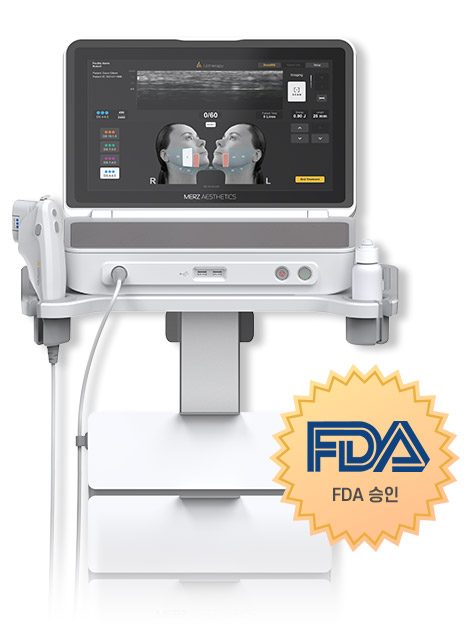
Thermage FLX represents the latest evolution in non-invasive skin tightening technology, combining monopolar radiofrequency energy with advanced vibration and cooling mechanisms to deliver comprehensive facial and body rejuvenation. Seoul has emerged as a premier destination for this treatment, offering competitive pricing 40-60% lower than Western markets while maintaining exceptional clinical standards through Korea’s Ministry of Health and Welfare (MOHW) oversight and internationally board-certified dermatologists. Related: /p>gangnam derm clinic.
International patients choose Seoul for Thermage FLX due to the concentration of experienced practitioners in districts like Gangnam and Apgujeong, where clinics perform thousands of procedures annually, significantly exceeding the volume of typical Western practices. This clinical experience translates to optimized treatment protocols, superior patient outcomes, and comprehensive aftercare that justifies medical travel from the US, UK, Australia, and Singapore. See also: /p>skin clinic.
Understanding Thermage FLX Technology and Mechanisms
Thermage FLX utilizes monopolar capacitive radiofrequency technology operating at 6.78 MHz to deliver controlled thermal energy to dermal and subdermal layers, reaching depths of 2.5-4.3mm depending on tip selection. The system heats tissue to therapeutic temperatures of 55-65°C, triggering immediate collagen contraction and stimulating neocollagenesis over subsequent months. Published research in the Journal of Clinical and Aesthetic Dermatology demonstrates volumetric tightening effects persisting 12-24 months post-treatment with single-session protocols. For more on this topic, see /p>skin clinic guide.
The FLX platform introduces AccuREP Technology, which measures skin resistance in real-time and automatically adjusts energy delivery every 1/200th of a second, ensuring consistent therapeutic endpoints across varying tissue densities. This advancement reduces treatment discomfort by approximately 25% compared to previous Thermage CPT systems while improving efficacy through optimized energy distribution. The vibrating Comfort Pulse Mode (CPM 3.0) delivers 60 bursts per second during energy application, effectively modulating pain perception through gate control theory mechanisms. Learn about /p>
Seoul clinics exclusively utilize authentic Thermage FLX systems verified through Solta Medical’s international registry, a critical distinction given the prevalence of counterfeit devices in some Asian markets. Korean dermatologists affiliated with the Korean Association of Medical Specialists (KAMS) undergo manufacturer-certified training, ensuring technical proficiency with the platform’s eight specialized treatment tips designed for facial zones, eyes, body contouring, and cellulite reduction. Treatment protocols in Seoul typically employ higher pass counts than conservative Western approaches, with experienced practitioners delivering 600-1200 pulses for full-face treatments compared to standard 400-600 pulse protocols.
The technology’s fundamental mechanism targets fibrous septae in subcutaneous tissue while simultaneously affecting the reticular dermis where type I and III collagen fibers reside. Histological studies demonstrate collagen fiber reorganization beginning at 6 weeks post-treatment, with maximum neocollagenesis occurring between 3-6 months. This delayed response requires patient education regarding realistic timelines, something Seoul clinics emphasize through comprehensive pre-treatment consultations. Read about main reference.
Comparison with Competing Technologies
Thermage FLX differs fundamentally from microneedling radiofrequency systems like Morpheus8 or Genius, which deliver bipolar energy through penetrating electrodes at shallower depths. While fractional RF devices excel at textural refinement and acne scarring, Thermage’s monopolar delivery achieves superior volumetric tightening for moderate skin laxity. Seoul dermatologists frequently combine both modalities in staged protocols, using Thermage for structural tightening followed by fractional RF for surface refinement.
High-Intensity Focused Ultrasound (HIFU) systems like Ultherapy target similar tissue depths but employ different energy mechanisms. HIFU creates discrete thermal coagulation points at the SMAS layer (4.5mm), while Thermage delivers uniform volumetric heating across broader tissue planes. Clinical comparisons show HIFU producing more aggressive lifting along specific vectors, whereas Thermage achieves comprehensive tightening with superior skin texture improvement. Patient selection in Seoul clinics considers these distinctions, recommending HIFU for pronounced jowling or brow ptosis, and Thermage for overall skin quality enhancement with moderate laxity.
Clinical Applications and Treatment Protocols in Seoul
Seoul dermatologists have refined Thermage FLX protocols through extensive clinical experience, developing treatment algorithms that address specific aging patterns common in both Asian and Western facial anatomy. Full-face treatments typically utilize the 900-pulse or 1200-pulse protocol, systematically treating forehead, periorbital areas, cheeks, jawline, and neck with appropriate tip selections. The 0.25cm² total tip enables precise periorbital work, while the 4.0cm² body tip facilitates efficient treatment of larger surface areas.
Korean practitioners employ layering techniques that deliver multiple passes at reduced energy settings rather than single high-energy passes, a method that enhances patient comfort while achieving equivalent tissue temperatures. This approach particularly benefits patients with lower pain thresholds, allowing completion of comprehensive protocols without interruption. Treatment sessions in Seoul average 60-90 minutes for full-face procedures, compared to 45-60 minutes in Western clinics using more conservative pulse counts. Read about comprehensive guide.
Facial Zone Protocols
Periorbital tightening addresses hooding, fine lines, and crepey texture using the 0.25cm² eye tip with energy levels of 78-92J based on skin thickness assessment. Seoul protocols typically deliver 225-450 pulses around both eyes, treating upper lids, lateral canthal regions, and lower lid-cheek junctions. Korean dermatologists exercise particular caution with upper lid treatments, maintaining 3-4mm margins from the orbital rim to prevent fat atrophy complications.
Mid-face lifting focuses on cheek volumetric enhancement and nasolabial fold softening through 300-400 pulses using the 3.0cm² face tip. Treatment vectors follow anatomical SMAS suspension lines, directing energy in superior-lateral trajectories to counter gravitational descent. This approach proves especially effective for patients exhibiting early jowl formation or mid-face volume loss without requiring invasive thread lifting procedures.
Lower face and jawline contouring represents one of Thermage FLX’s most requested applications among international patients visiting Seoul. Protocols employ 200-300 pulses along the mandibular border and submental region, with energy levels reaching 95-110J for adequate adipose tissue penetration. Results include jawline sharpening, jowl reduction, and submental skin tightening, though practitioners clearly communicate that Thermage cannot replicate surgical results for advanced laxity.
Body Applications
Thermage body treatments address skin laxity on abdomen, arms, thighs, and buttocks using the 16.0cm² body tip, which delivers energy across larger surface areas with improved efficiency. Seoul clinics frequently treat post-partum abdominal laxity, arm “bat wings,” and thigh cellulite, with protocols ranging from 600-1200 pulses depending on treatment area. Clinical documentation shows cellulite improvement through fibrous septae remodeling and dermal thickening, though results vary significantly based on cellulite severity and patient BMI. Other Seoul providers like /p>
Combination protocols pairing Thermage with complementary technologies represent a distinctive Seoul approach. Clinics may sequence treatments with Ultherapy for enhanced lifting, combine with injectable biostimulators like Sculptra for volumetric augmentation, or follow with fractional CO2 laser for comprehensive photoaging correction. These integrated protocols require sophisticated treatment planning and extended patient stays, which Seoul’s medical tourism infrastructure readily accommodates.
Cost Analysis and Value Proposition for International Patients
Thermage FLX pricing in Seoul ranges from $1,200-2,800 USD for full-face treatments depending on pulse count, clinic location, and practitioner experience. This represents substantial savings compared to US pricing of $3,500-5,500, UK costs of £3,000-4,500, and Australian rates of AUD $4,500-6,500. Body treatments cost $1,800-3,500 in Seoul versus $5,000-8,000 in Western markets, creating compelling economic incentives for international patients requiring extensive treatment areas.
Price variations within Seoul reflect clinic positioning rather than equipment authenticity or physician qualifications. Premium Gangnam clinics charge higher fees based on brand reputation and luxury amenities, while equally qualified practitioners in nearby districts offer identical treatments at reduced costs. All licensed Korean dermatology clinics operate under MOHW regulations mandating authentic equipment and qualified personnel, ensuring baseline quality standards regardless of pricing tier.
Cost-Benefit Considerations
When calculating total medical travel expenses, patients must account for flights ($800-1,800 round-trip from major US/UK/Australian cities), accommodation ($80-300 per night for 3-5 nights), and incidental expenses. Even with these additions, total out-of-pocket costs typically remain 30-40% lower than domestic treatment in Western countries. Seoul’s concentration of services allows efficient scheduling of multiple procedures during single visits, further improving cost-effectiveness for patients seeking comprehensive rejuvenation.
The value proposition extends beyond pricing to include access to high-volume practitioners with specialized expertise. Leading Seoul dermatologists perform 200-400 Thermage procedures annually compared to 20-50 for typical Western practitioners, resulting in refined technique and superior aesthetic judgment. This experience differential particularly impacts outcomes for challenging cases like Asian skin types (Fitzpatrick IV-V) where energy calibration requires precision to avoid hyperpigmentation complications. Read about complete korean clinic reviews guide.
Insurance coverage for Thermage FLX remains universally excluded as cosmetic procedures, whether performed domestically or internationally. Patients should verify this status independently, as rare exceptions exist for post-surgical reconstruction cases. Seoul clinics offer transparent pricing without hidden fees, with final quotes provided during initial consultations after skin assessment and protocol design. Read about skin clinic seoul.
Selecting Qualified Providers and Safety Considerations
Physician qualification verification represents the most critical safety consideration for international patients. Legitimate Korean dermatologists hold board certification from the Korean Dermatological Association, having completed 4-year residency training following medical school. Patients should confirm credentials through clinic websites displaying physician profiles with certification numbers, and verify these through the Korean Medical Association’s online registry when possible.
Clinic accreditation through Korea’s medical tourism facilitator network (Korea Health Industry Development Institute – KHIDI) provides additional verification of facility standards and international patient services. KHIDI-registered clinics undergo facility inspections, maintain English-speaking coordinators, and follow standardized safety protocols aligned with international medical tourism standards. However, many excellent clinics operate independently of KHIDI while maintaining superior clinical standards, so absence of this designation shouldn’t automatically disqualify providers.
Red Flags and Risk Mitigation
Several warning signs indicate potentially problematic providers. Pricing significantly below market rates ($800-1,000 for full-face treatments) may indicate counterfeit equipment, undertrained practitioners, or inadequate pulse counts. Clinics unable to provide physician credentials, refusing consultation before treatment, or guaranteeing specific results demonstrate unprofessional practices. Legitimate practitioners acknowledge Thermage’s variable outcomes and contraindications, providing realistic expectations during consultations.
Equipment authentication matters critically, as counterfeit Thermage devices circulate in Asian markets delivering inconsistent energy and lacking safety features. Authentic systems display Solta Medical branding, serial numbers matching company records, and sealed single-use treatment tips with verification codes. Patients should request to see equipment before treatment and verify tip packaging integrity, as reused tips compromise both safety and efficacy.
Complication management capabilities require evaluation, particularly for international patients with limited stay durations. Reputable clinics provide 24/7 emergency contact information, clearly outline complication protocols, and maintain relationships with hospital facilities for rare severe reactions. Understanding post-treatment support availability before proceeding prevents abandonment if unexpected issues arise after returning home.
Communication and Consultation Standards
Language barriers pose legitimate concerns despite Seoul’s medical tourism infrastructure. Top-tier clinics employ medical interpreters or bilingual physicians ensuring accurate communication during consultations, consent processes, and post-treatment instructions. Video consultations prior to travel allow preliminary assessment, protocol discussion, and relationship establishment, reducing uncertainty before international trips.
Comprehensive pre-treatment consultations should include facial analysis, skin assessment (laxity grading, thickness measurement, underlying bone structure evaluation), realistic outcome discussion with before-after photos of similar cases, detailed protocol explanation including pulse counts and energy levels, contraindication screening, and written treatment plans. Rushed consultations or immediate same-day treatments without adequate discussion indicate suboptimal care standards.
Expected Results, Recovery Timeline, and Outcome Optimization
Thermage FLX produces both immediate and progressive results following distinct timelines. Immediate collagen contraction creates subtle tightening visible within 24-48 hours, though initial swelling often masks these changes. Progressive improvement develops over 2-6 months as neocollagenesis proceeds, with peak results typically evident at 3-4 months post-treatment. Clinical studies document continued improvement through 6 months, with effects plateauing thereafter and gradually declining over 12-24 months.
Realistic outcome expectations vary significantly based on baseline laxity severity, age, and tissue quality. Optimal candidates present mild-to-moderate laxity with adequate skin thickness and good baseline elasticity, typically ages 35-55. Results include 20-30% improvement in skin tightness (measured by cutometry), subtle lifting of 2-4mm in treated areas, improved skin texture and pore size, and enhanced facial contours. Thermage cannot replicate facelift results, address severe laxity, or substitute for volume loss requiring fillers.
Recovery Experience and Post-Treatment Course
Thermage FLX requires minimal downtime, with most patients resuming normal activities immediately following treatment. Common immediate effects include erythema (redness) lasting 2-6 hours, mild edema (swelling) persisting 24-72 hours, and subtle grid-pattern marking from treatment tips resolving within hours. Approximately 15-20% of patients experience moderate swelling lasting 3-5 days, particularly after aggressive periorbital or lower face treatments.
Discomfort during treatment varies considerably between individuals, with pain ratings averaging 4-6 on 10-point scales when using FLX technology with vibration. Seoul practitioners frequently offer oral anxiolytics (lorazepam) or topical anesthetics to sensitive patients, though these remain optional for most. Post-treatment discomfort is minimal, with occasional tenderness when touching treated areas for 24-48 hours.
Rare complications include temporary numbness in treated regions (2-3% incidence, resolving within 2-6 weeks), surface irregularities from uneven heating (less than 1%, usually self-correcting), paradoxical fat atrophy in periorbital areas if treatment too aggressive (less than 0.5%), and burn injuries from operator error or equipment malfunction (extremely rare with authentic devices and qualified operators). Post-inflammatory hyperpigmentation risk remains low even in darker skin types when appropriate energy levels are used, though Seoul practitioners maintain conservative protocols for Fitzpatrick IV-VI patients.
Optimizing and Maintaining Results
Post-treatment care focuses on supporting collagen synthesis and protecting treated skin. Seoul clinics typically recommend medical-grade skincare including growth factor serums, peptide formulations, and antioxidants during the 3-month neocollagenesis window. Strict sun protection with SPF 50+ prevents photodamage that could compromise results, particularly important for patients returning to sunny climates.
Maintenance treatment timing depends on individual aging rates and result satisfaction. Korean dermatologists generally recommend repeat treatments at 12-18 month intervals for sustained effects, as collagen production eventually returns to baseline. Some patients achieve satisfactory maintenance with less frequent 24-month intervals, while faster agers may benefit from annual sessions. Combination maintenance with complementary modalities like HIFU alternating with Thermage every 12 months provides comprehensive anti-aging management.
Lifestyle factors significantly impact result longevity. Smoking accelerates collagen degradation and should be discontinued. Adequate protein intake (0.8-1.0g per kg body weight daily) supports collagen synthesis. Comprehensive skincare with retinoids enhances dermal thickness over time. Weight stability prevents skin re-stretching that could negate tightening effects. Patients implementing these measures report extended benefit duration compared to those without lifestyle optimization.
Practical Logistics for Medical Tourism Patients
Planning Thermage FLX treatment in Seoul requires coordination of clinical and travel logistics for optimal experience. The ideal stay duration spans 4-5 days, allowing initial consultation (Day 1), treatment (Day 2), observation day (Day 3), and follow-up assessment (Day 4) before departure. This schedule accommodates potential swelling resolution and ensures complication screening before international travel, though minimal-downtime nature permits shorter 2-3 day trips if necessary.
Clinic selection should occur 4-6 weeks before travel, allowing time for virtual consultation, medical history review, and treatment planning. Reputable clinics provide detailed pre-arrival instructions, coordinate airport pickup services, arrange medical interpretation, and assist with accommodation booking. Seoul’s medical tourism infrastructure in Gangnam and Apgujeong districts concentrates clinics, hotels, and recovery facilities within walkable areas, simplifying logistics for international visitors. Read about top skin clinic seoul.
Seasonal and Timing Considerations
Seoul’s climate influences optimal treatment timing, with spring (April-May) and autumn (September-October) offering comfortable temperatures and lower humidity beneficial for recovery. Summer heat and humidity may increase swelling duration, while winter cold provides natural anti-inflammatory benefits but requires careful moisturization for comfort. Treatment timing should allow the 3-6 month result development period before important events, meaning procedures should occur 4-6 months before weddings, reunions, or significant occasions.
Menstrual cycle timing affects treatment comfort for some women, as hormonal fluctuations influence pain sensitivity and swelling tendencies. Scheduling treatments mid-cycle (days 7-14) when estrogen peaks may reduce discomfort and inflammation, though this consideration remains optional based on individual sensitivity. Pre-existing inflammation from recent dental work, infections, or other procedures should resolve before Thermage to minimize complication risk.
Documentation and Legal Considerations
Medical records documentation ensures continuity of care and provides evidence for rare complication management upon returning home. Patients should request comprehensive treatment notes including pulse counts, energy settings, tips used, pre-treatment photographs, post-treatment assessment, and follow-up instructions. These records facilitate care if complications arise after departure, though incidence remains very